
INDUSTRIAL HEAT SOLUTIONS
Boiler Solutions Built Around the Real Process.
Steam capacity alone does not define a reliable project. JINHONG matches the heat medium, pressure, temperature, fuel, load pattern, water quality, emissions target and site scope before selecting the equipment route.
INDUSTRY ROUTES
Select by Process Conditions, Not by Industry Name Alone.
The same industry may use several heating routes. A textile plant may need pressurized steam for dyeing, low-pressure steam for finishing and hot water for washing. Each solution below identifies the inputs that actually control equipment selection.
Dyeing, Washing, Finishing and Pressing.
Match the boiler to simultaneous machine demand, point-of-use pressure, condensate recovery, shift pattern and the real fuel available at the factory.
- Confirm
- Peak steam demand
- Confirm
- Machine inlet pressure
- Review
- Condensate return
- Review
- Fuel and emissions
Cooking, Sterilization, Cleaning and Process Hot Water.
Define whether heat is transferred through a jacket or exchanger, the required batch time, hygienic separation and the number of vessels operating together.
- Confirm
- Batch size and cycle
- Confirm
- Steam or water duty
- Review
- Product separation
- Review
- Water quality
Reactor, Tank and Thermal-Fluid Heating.
Selection starts with process temperature, heat-up time, material mass, thermal-oil volume, circulation resistance and hazardous-area requirements.
- Confirm
- Heat load and curve
- Confirm
- Operating temperature
- Review
- Circulation hydraulics
- Review
- Electrical/site rules
Stable Steam for Drying and Production Lines.
Continuous plants require dependable steam output across normal and peak demand, with pressure stability, feedwater preparation and planned maintenance access.
- Confirm
- Normal and peak load
- Confirm
- Required pressure
- Review
- Operating hours
- Review
- Water treatment
Buildings, Industrial Circuits and Indirect Domestic Hot Water.
Calculate the real heat loss or hot-water demand, then coordinate outlet/return temperatures, system pressure, circulation flow, expansion and water quality.
- Confirm
- Heat load or water flow
- Confirm
- Supply/return temperatures
- Review
- System pressure
- Review
- Hydraulic separation
Clean Indirect Air, Direct Hot Gas or Thermal-Fluid Heating.
Choose the air route from product contact, cleanliness, target temperature, air volume, moisture removal, duct resistance and available fuel.
- Confirm
- Air volume
- Confirm
- Inlet/outlet temperature
- Review
- Product contact
- Review
- Moisture duty
Pasteurization, CIP, Vessel Heating and Hot Water.
A dairy boiler must follow the actual pasteurizer, jacketed-vessel and cleaning schedule. Batch overlap, heat-exchanger duty, hygienic separation and hot-water recovery often matter more than the factory’s total daily output.
- Confirm
- Pasteurizer and vessel load
- Confirm
- CIP and hot-water cycle
- Review
- Indirect product heating
- Review
- Peak simultaneous demand
Parboiling, Drying and Rice-Husk Fuel Utilization.
Rice mills may use steam for soaking and parboiling and heated air for drying. Rice husk can reduce purchased-fuel demand, but its bulk density, ash, feeding behaviour and particulate emissions must be engineered as a complete fuel route.
- Confirm
- Parboiling batch or line load
- Confirm
- Husk availability and moisture
- Review
- Drying-air conditions
- Review
- Ash and dust collection
Heating, Refining, Drying and Soap Processing.
Oil and soap plants can require steam at several pressure levels together with higher-temperature thermal-fluid heating. The correct route depends on the vessel, exchanger, deodorization or drying process rather than the product name alone.
- Confirm
- Steam users and pressure levels
- Confirm
- High-temperature duties
- Review
- Batch and continuous loads
- Review
- Fuel backup strategy
Veneer Drying, Hot Presses and Wood-Waste Energy.
Plywood and wood-processing plants may use thermal oil for hot presses, steam for conditioning and hot air for drying. Sawdust, chips and offcuts can be considered only after size, moisture, storage and safe feeding are reviewed.
- Confirm
- Press temperature and heat load
- Confirm
- Dryer air volume and temperature
- Review
- Wood-waste preparation
- Review
- Fire and dust control
Extraction, Evaporation, Sterilization and Drying.
Steam demand changes with crushing, concentration, cleaning and seasonal operation. Bagasse, shell and crop residues may be useful fuels, but stable output depends on heating value, moisture, preparation and furnace matching.
- Confirm
- Seasonal production profile
- Confirm
- Evaporation and cleaning load
- Review
- Residue fuel analysis
- Review
- Standby and maintenance plan
Pressing, Washing, Disinfection and Domestic Hot Water.
These facilities often combine short steam peaks with long hot-water demand. Equipment selection should separate steam users from domestic or heating water, then consider redundancy, quiet operation, automation and local fuel availability.
- Confirm
- Machines and simultaneous use
- Confirm
- Daily hot-water profile
- Review
- Redundancy requirement
- Review
- Space, noise and utilities
Dust Collection and Flue-Gas Treatment Must Match the Fuel and Local Limit.
JINHONG can coordinate cyclone or multi-cyclone separation, bag filtration, wet scrubbing, induced-draft equipment, ash handling, economizer and stack interfaces as part of the boiler system. The correct biomass boiler dust collector is selected from fuel ash, particle size, gas flow, temperature, inlet loading, moisture, sulphur/chlorine risk and the destination’s emission requirement. No single collector can be claimed to meet every project automatically.
- Confirm
- Fuel analysis and ash behaviour
- Confirm
- Required particulate limit
- Engineer
- Gas flow and pressure loss
- Define
- Residue and wastewater handling
VERIFIED PROJECT PATHS
Connect the Process Route to Real Equipment.
These records show actual JINHONG equipment and deliveries in textile, food, wood processing and biomass emission control. They are project evidence—not a substitute for engineering selection.
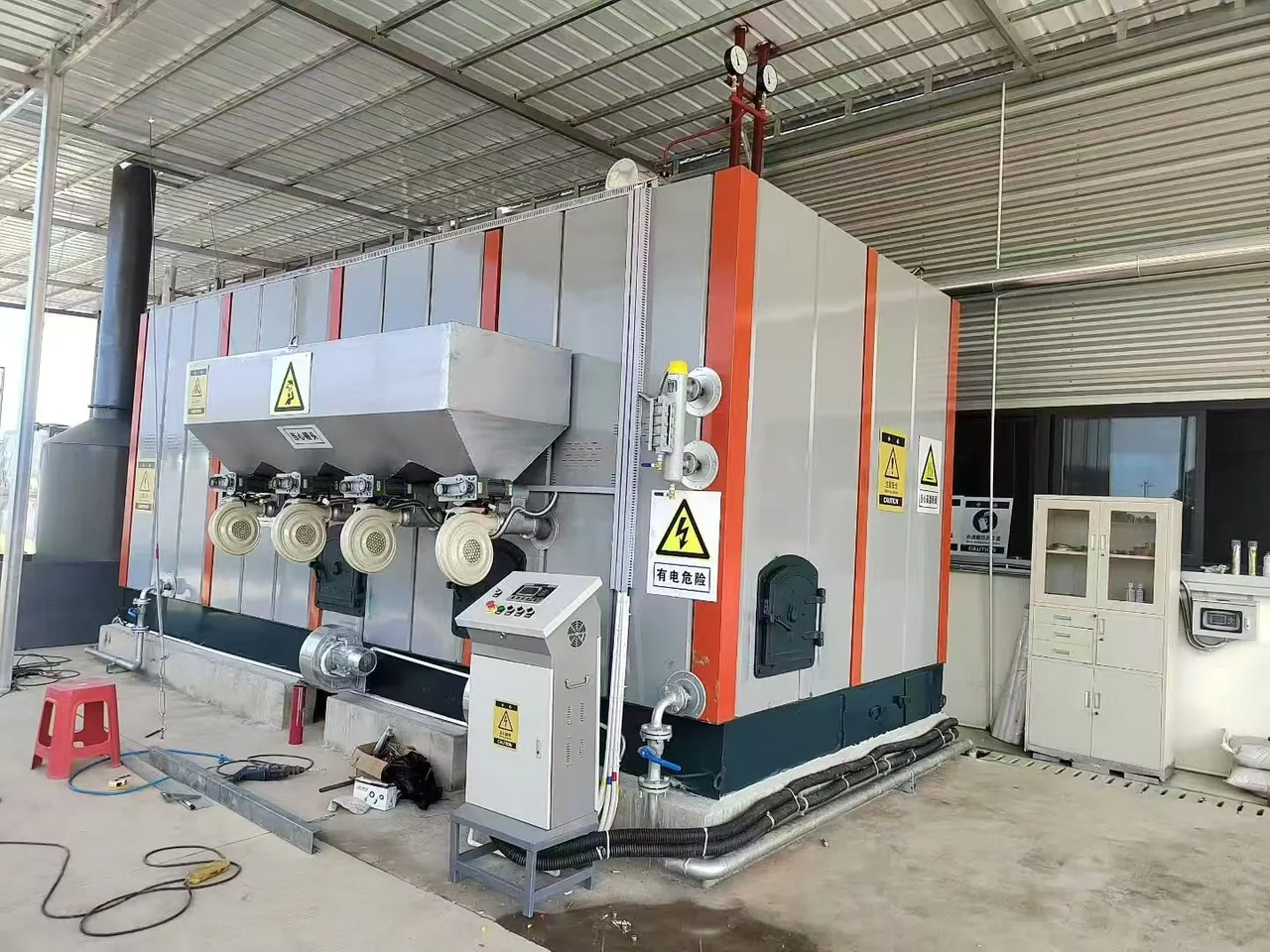
One integrated rice-husk or biomass-pellet unit, now in production for finishing, washing, drying and ironing.
View customer challenge and solution →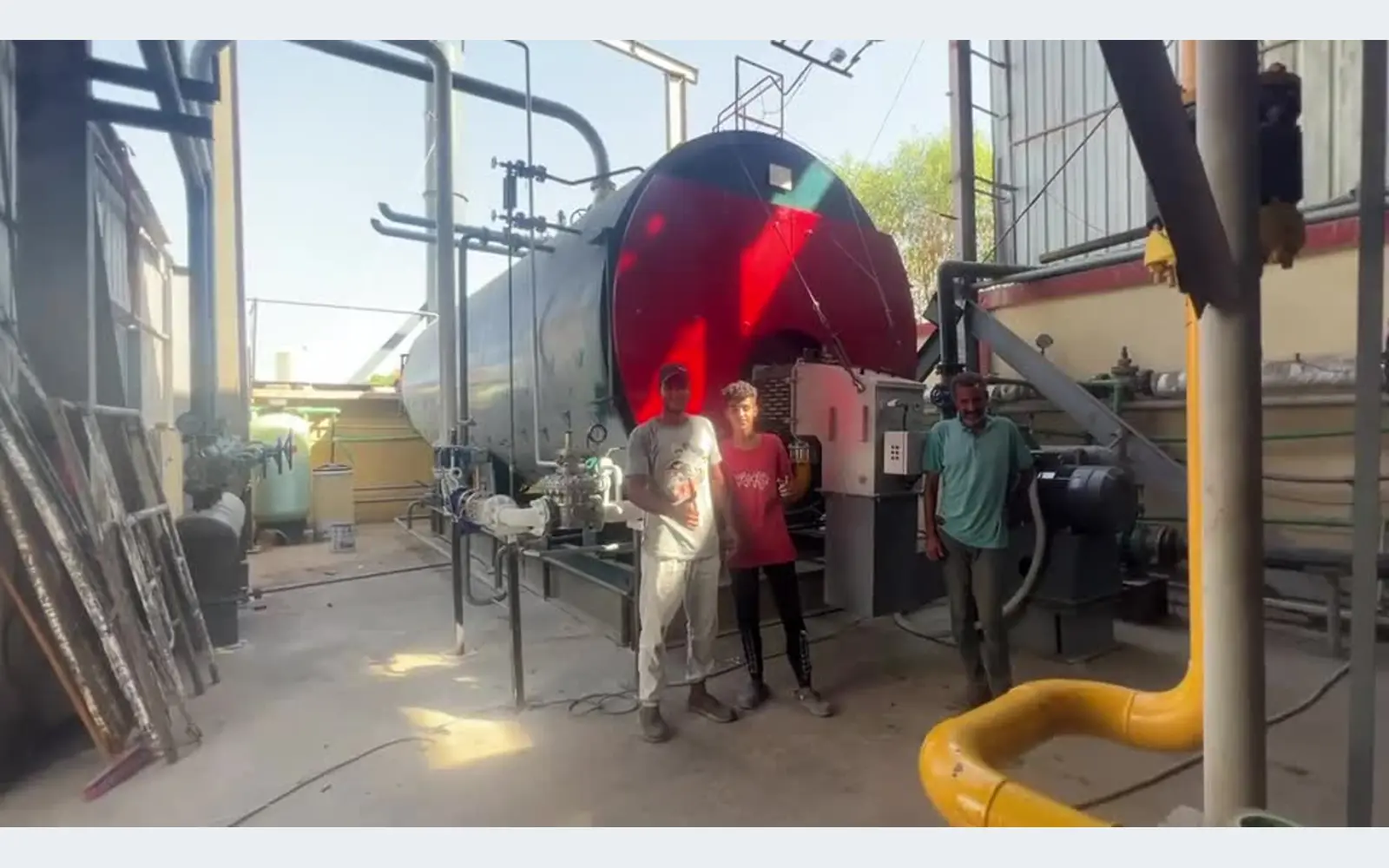
Real customer-site evidence from a textile-dyeing boiler project.
View verified project →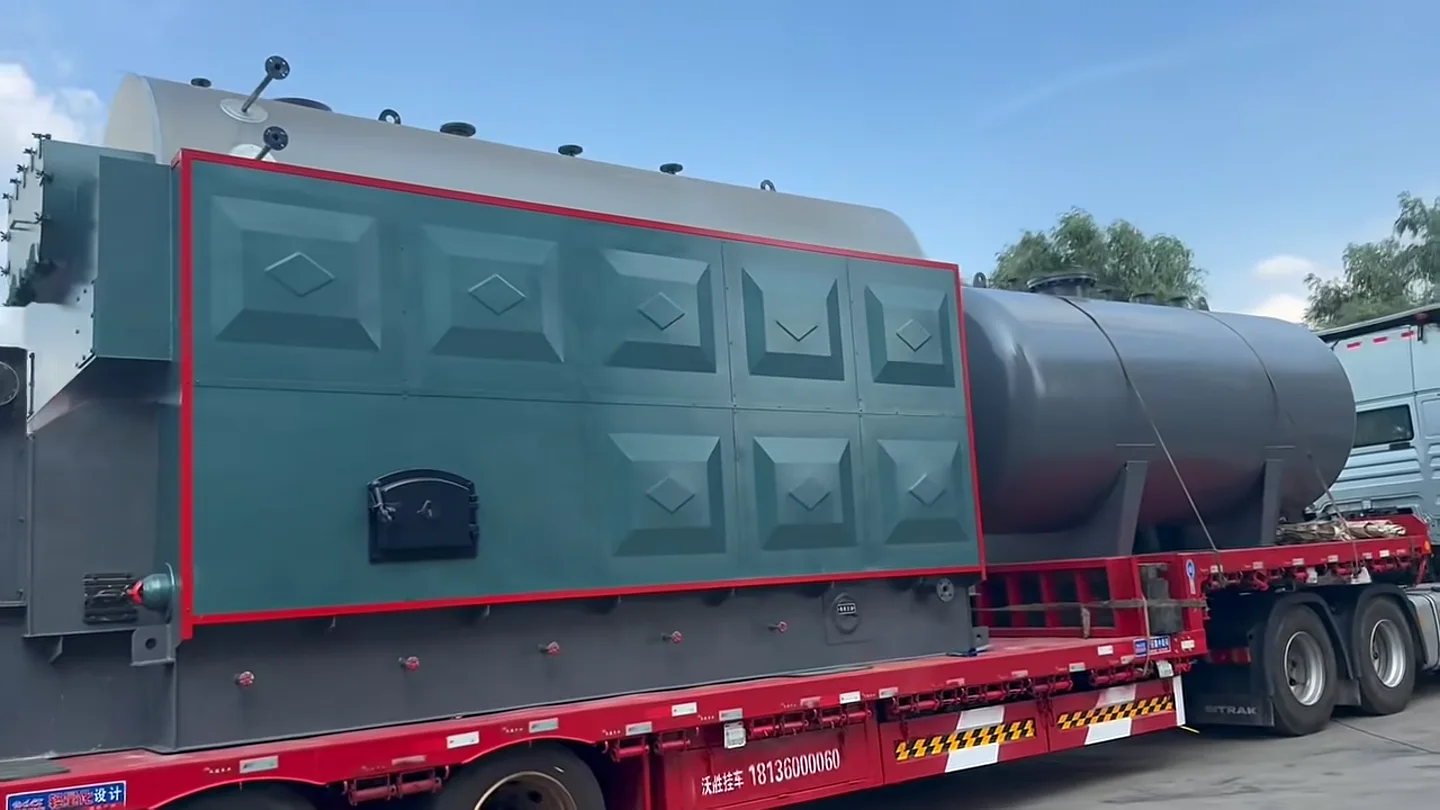
Verified delivery record for a food-processing steam project.
View verified project →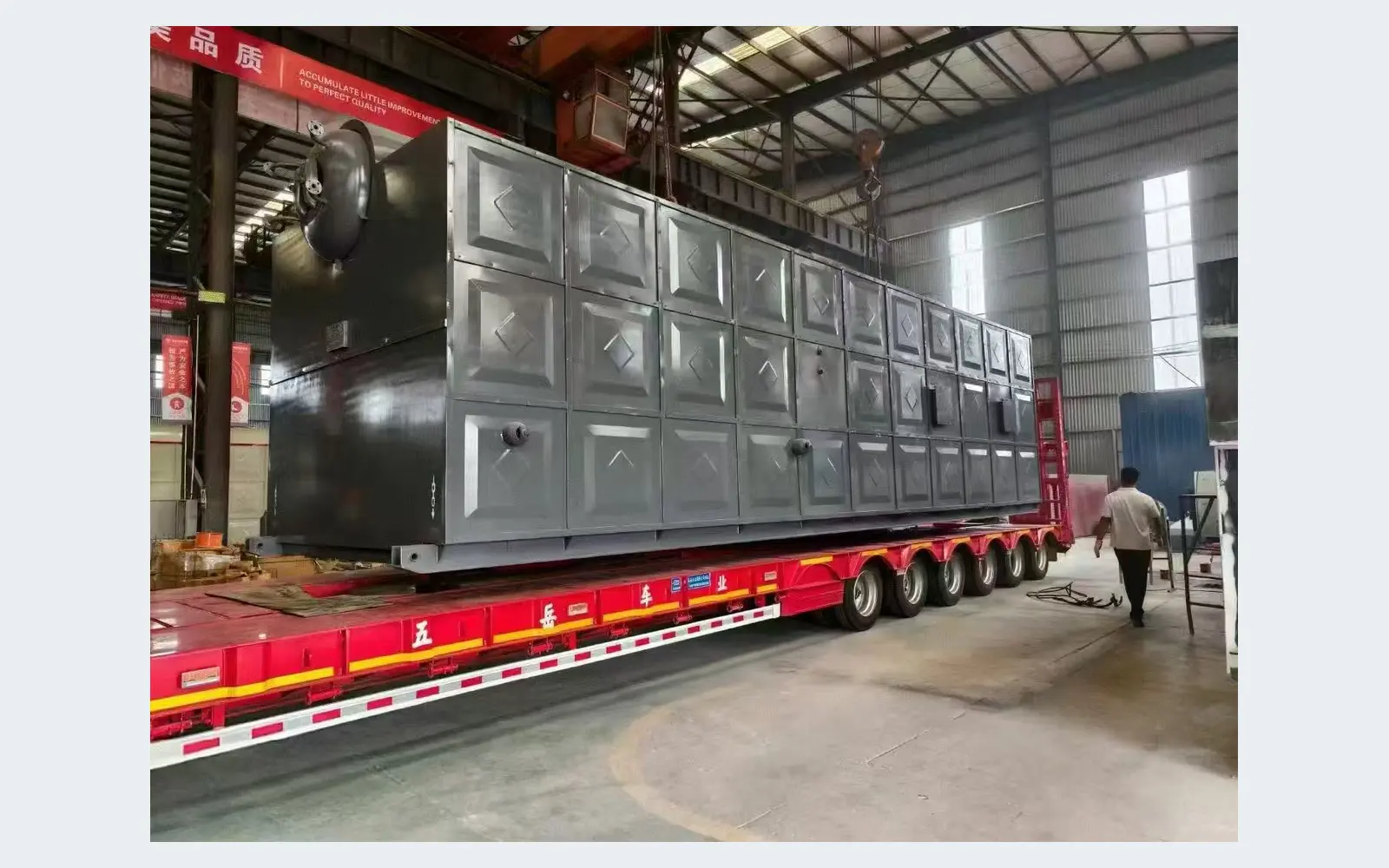
Heavy-boiler delivery record for a large wood-processing project.
View verified project →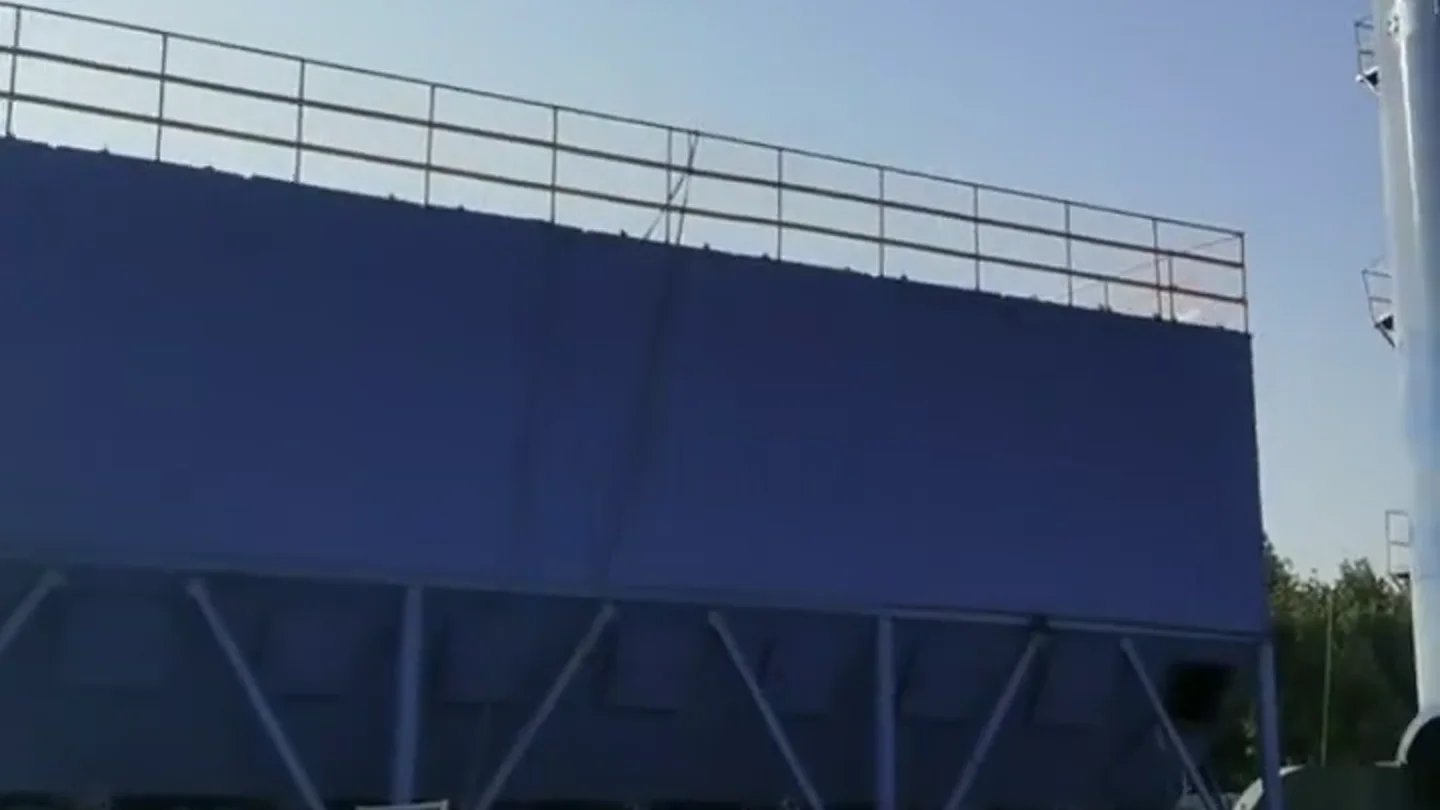
Actual project evidence showing the flue-gas treatment equipment scope.
View verified project →ENGINEERING WORKFLOW
From Process Data to an Approved System Scope.
A professional boiler proposal defines more than the main unit. It aligns capacity, pressure or temperature, auxiliaries, controls, utilities, drawings and customer responsibilities.
Process duty, load, fuel, utilities, site and destination.
Steam, hot water, thermal oil or hot air.
Model, pressure, burner or combustion system and auxiliaries.
Included items, interfaces, documents and site responsibilities.
Confirm technical data and drawings before production.
SOLUTION FAQ
Selection Starts with the Process.
Can a boiler be selected only from factory area or industry name?
No. Selection requires actual heat or steam demand, operating conditions, load pattern, fuel and system losses.
Should point-of-use pressure equal boiler rated pressure?
Not automatically. The design must consider pipe losses, control valves, reduction stations and operating reserve.
Can several fuels use the same combustion system?
Only after fuel form, heating value, moisture, ash, feeding and emissions requirements are reviewed.
Which dust collector is suitable for a biomass boiler?
That depends on fuel ash, particulate loading, gas temperature and flow, pressure loss, residue handling and the local emission limit. Cyclone, bag-filter and wet-scrubber routes have different operating boundaries.
Does the proposal include every auxiliary and site item?
Only items explicitly listed in the approved supply scope are included. Civil works, utilities, installation and local approvals must be defined separately.
Send the Real Operating Conditions.
We will match the equipment route, capacity and project scope to the process.