
Bangladesh · Textile Production · In Production Since 2026
2.8 TPH LHS Biomass Steam Generator for a Bangladesh Textile Plant
JINHONG supplied one integrated LHS2.8-0.8-M biomass steam generator for finishing, washing, drying and ironing at a textile and garment factory. Rated for 2.8 TPH of saturated steam at 0.8 MPa, the unit can use rice husk or biomass pellets and is now in production.
Project Overview
A biomass steam system planned around textile production
The Bangladesh customer manufactures textiles and garments. Its finishing, washing, drying and ironing processes all require steam, but their demand can change as production stages and schedules vary.
In 2026, JINHONG supplied a complete boiler equipment package centred on one integrated LHS biomass steam generator. JINHONG engineers remotely guided installation and commissioning, supporting the customer’s site team as the equipment was connected to the production requirements.
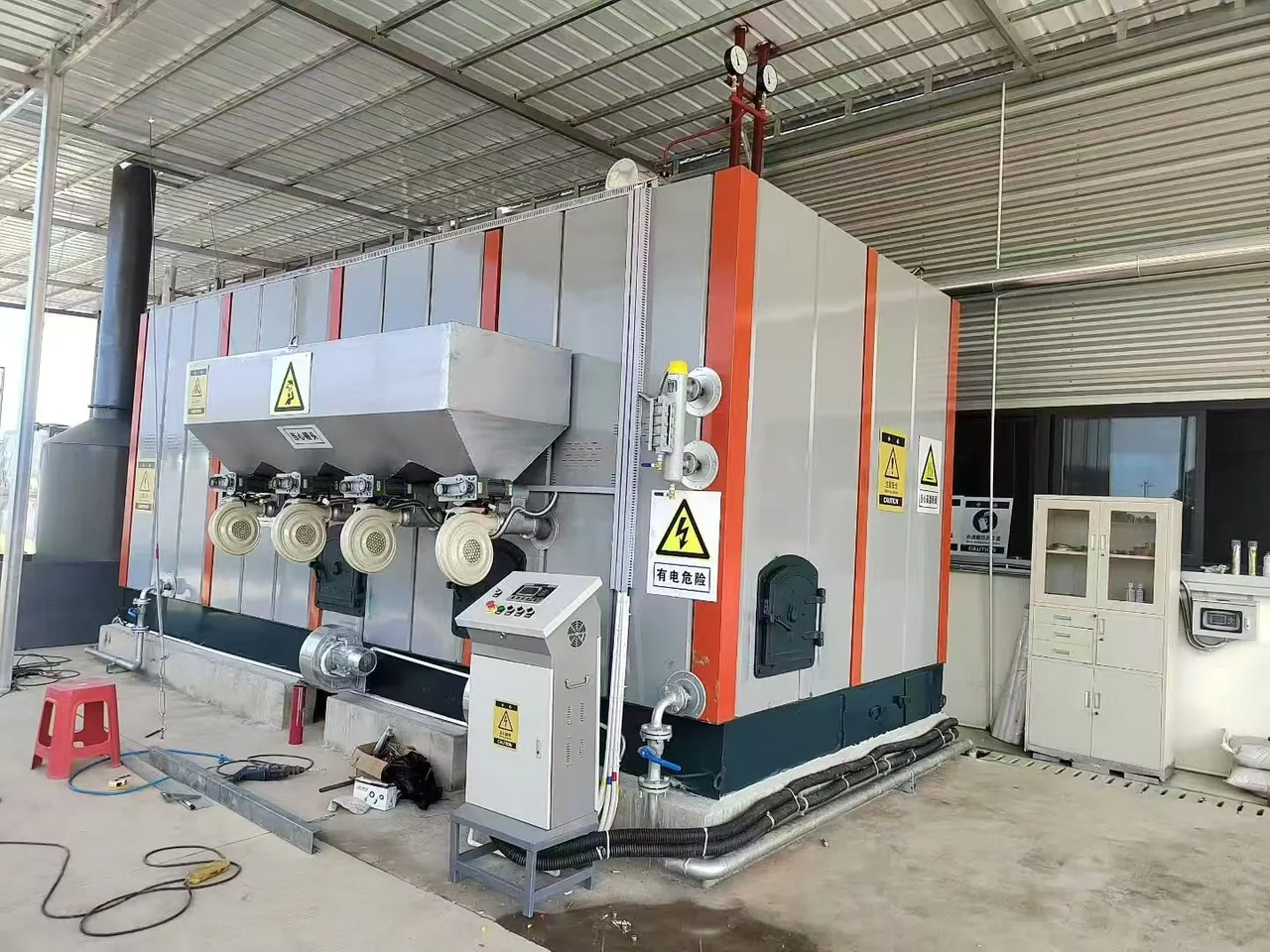
The four assemblies visible across the front serve coordinated fuel-feeding and combustion zones within the same steam generator. They are not four separate boilers.
Customer Challenge
More continuous steam within a narrow, weather-exposed site
The factory needed additional steam capacity and a steadier supply for an expanding production requirement. The project also had to address fuel cost, operating effort and the practical limits of the installation area.
Production and operating concerns
Increased and continuous steam demand, labor-intensive fuel feeding and fire control, and concerns about steam-pressure and water-level stability were central to the customer’s brief.
Fuel, water and site conditions
The customer also needed to consider fuel cost, raw-water scaling, biomass dust treatment, restricted site width and protection from Bangladesh’s monsoon conditions.
JINHONG Solution
One integrated generator with coordinated support systems
JINHONG selected one LHS2.8-0.8-M biomass steam generator, rated at 2.8 TPH and 0.8 MPa, to produce saturated steam for the customer’s textile processes.
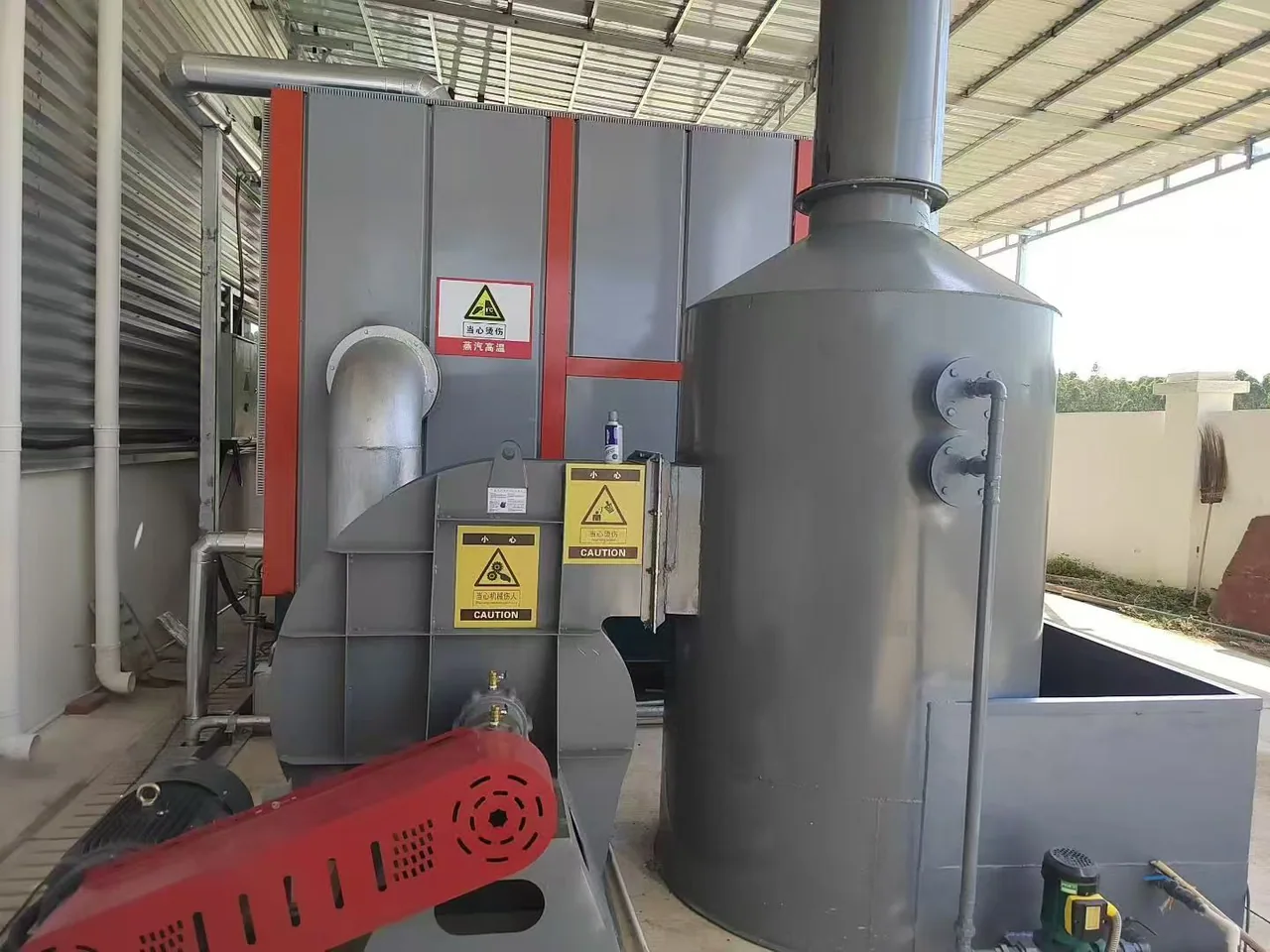
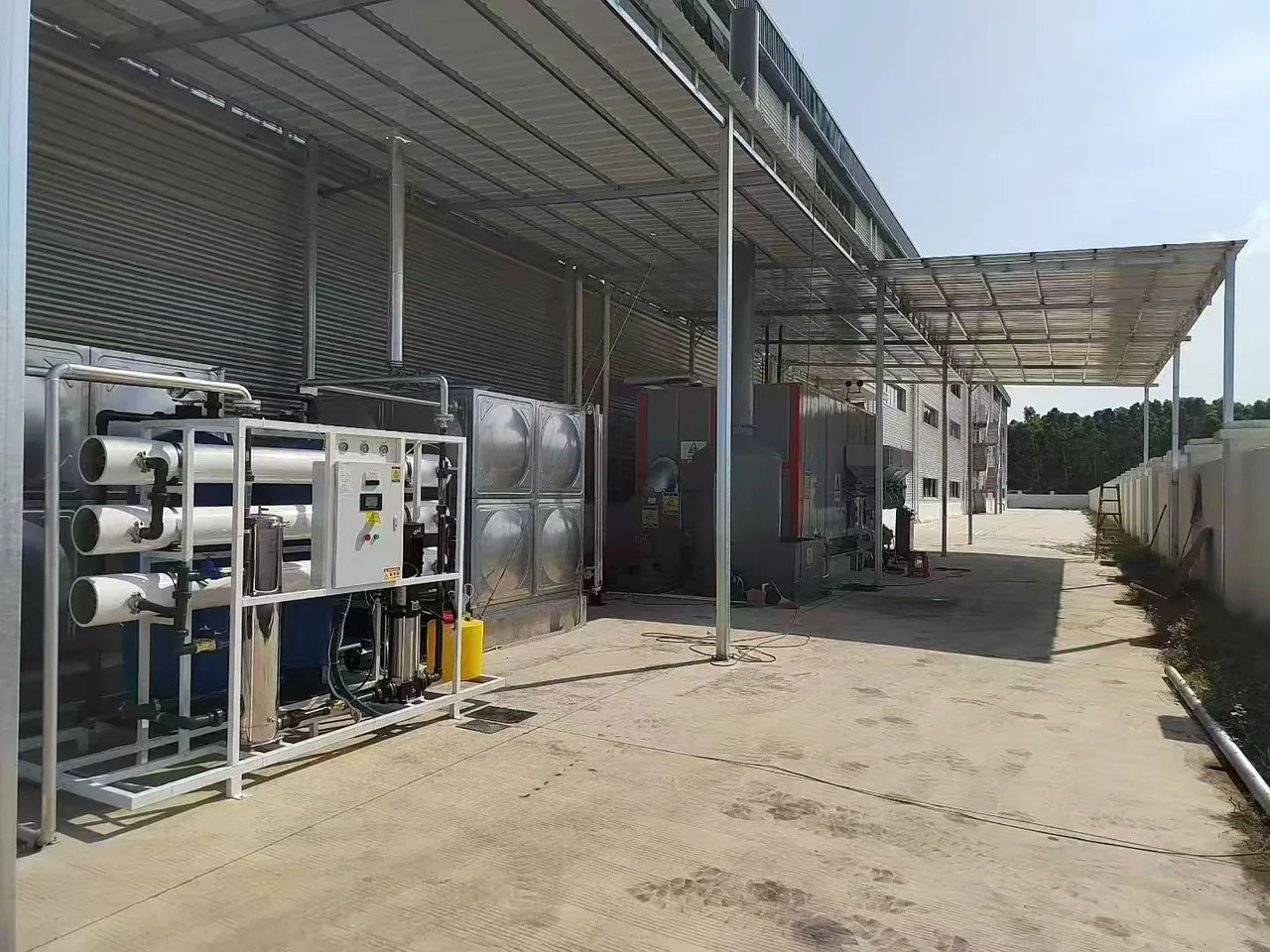
The unit can use the customer’s confirmed fuels—rice husk or biomass pellets. Its four coordinated feeding and combustion assemblies distribute fuel across corresponding zones within the single generator. Feedwater treatment and flue-gas dust-treatment equipment were incorporated into the plant arrangement, while a linear layout beside the building made use of the available width. The equipment area was placed beneath weather protection for the local rainy environment.
Technical Configuration
LHS2.8-0.8-M biomass steam generator
The configuration below contains only confirmed project information. Actual operating settings must be matched to the fuel condition and the customer’s process demand.
- Equipment quantity: One integrated steam generator
- Model: LHS2.8-0.8-M
- Rated evaporation: 2.8 TPH
- Rated pressure: 0.8 MPa
- Steam type: Saturated steam
- Confirmed fuels: Rice husk and biomass pellets
- Application: Textile finishing, washing, drying and ironing
Actual Project Photos
Installation-stage views of the Bangladesh steam system
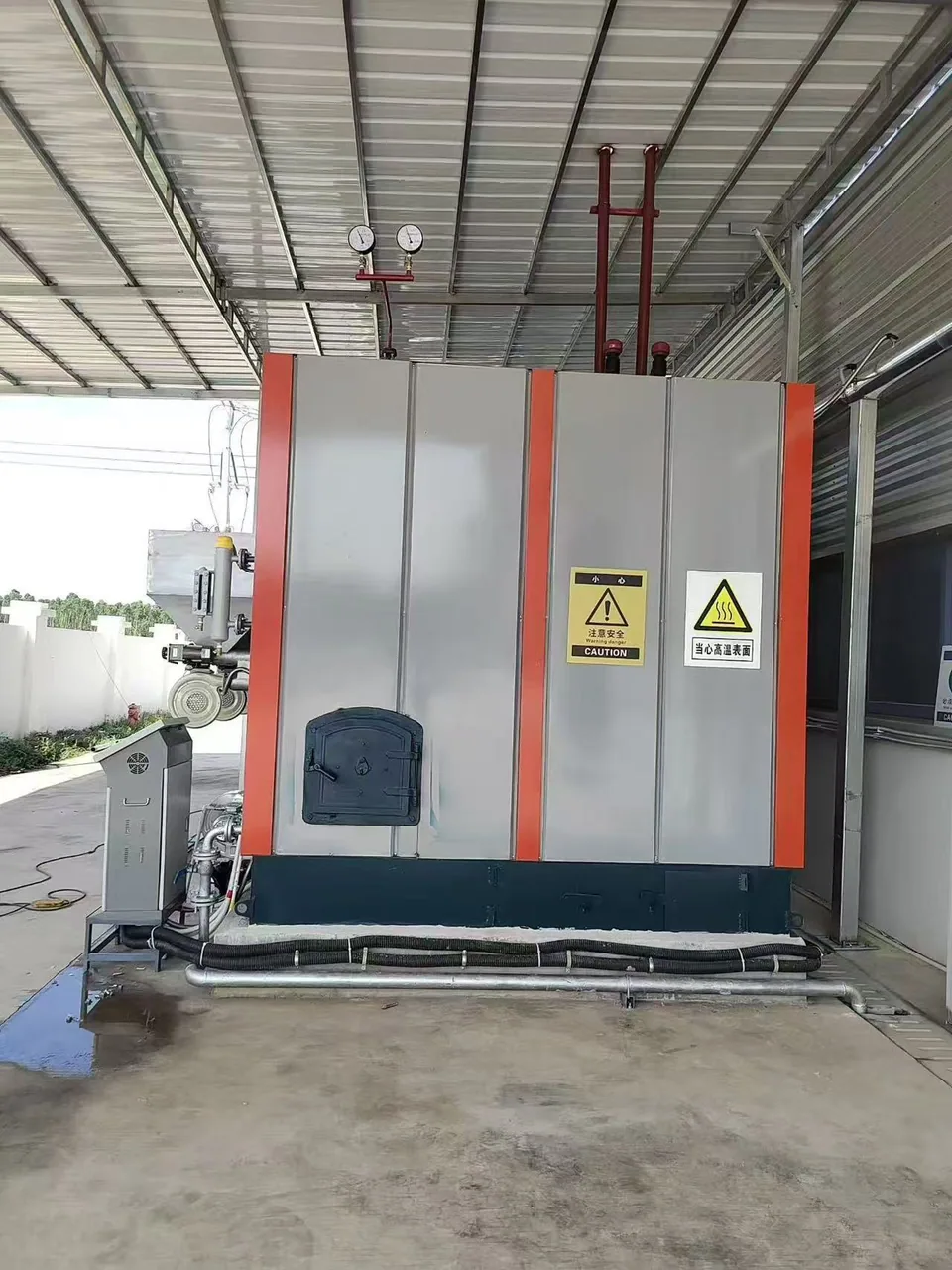
The hero photograph and the three detailed views below show the same customer-approved project during installation and commissioning preparation. The project has since been completed and put into production.
Project Status
Completed and in production in 2026
The complete equipment package has been installed and commissioned with remote guidance from JINHONG engineers. The LHS biomass steam generator is now in production at the customer’s textile and garment facility in Bangladesh.
Related Engineering Resources
Plan the fuel, water and project inputs together
A biomass steam project should be evaluated as a complete system. Fuel properties, process demand, feedwater condition, flue-gas treatment and installation limits all affect equipment selection.
For water-side planning, review boiler blowdown control and heat-recovery principles. Any heat-recovery equipment and operating settings must be confirmed for the actual steam system.
Planning biomass steam for textile production?
Share your required steam capacity, working pressure, daily operating schedule, available biomass fuel, feedwater condition and installation-space limits. JINHONG’s engineering team can review the application and prepare a project-specific boiler-system proposal.