
Boiler FAT vs Site Commissioning: What Industrial Buyers Should Verify
Factory acceptance testing verifies agreed package evidence before shipment; site commissioning verifies the installed boiler system with real utilities and process interfaces. Neither test replaces the other.
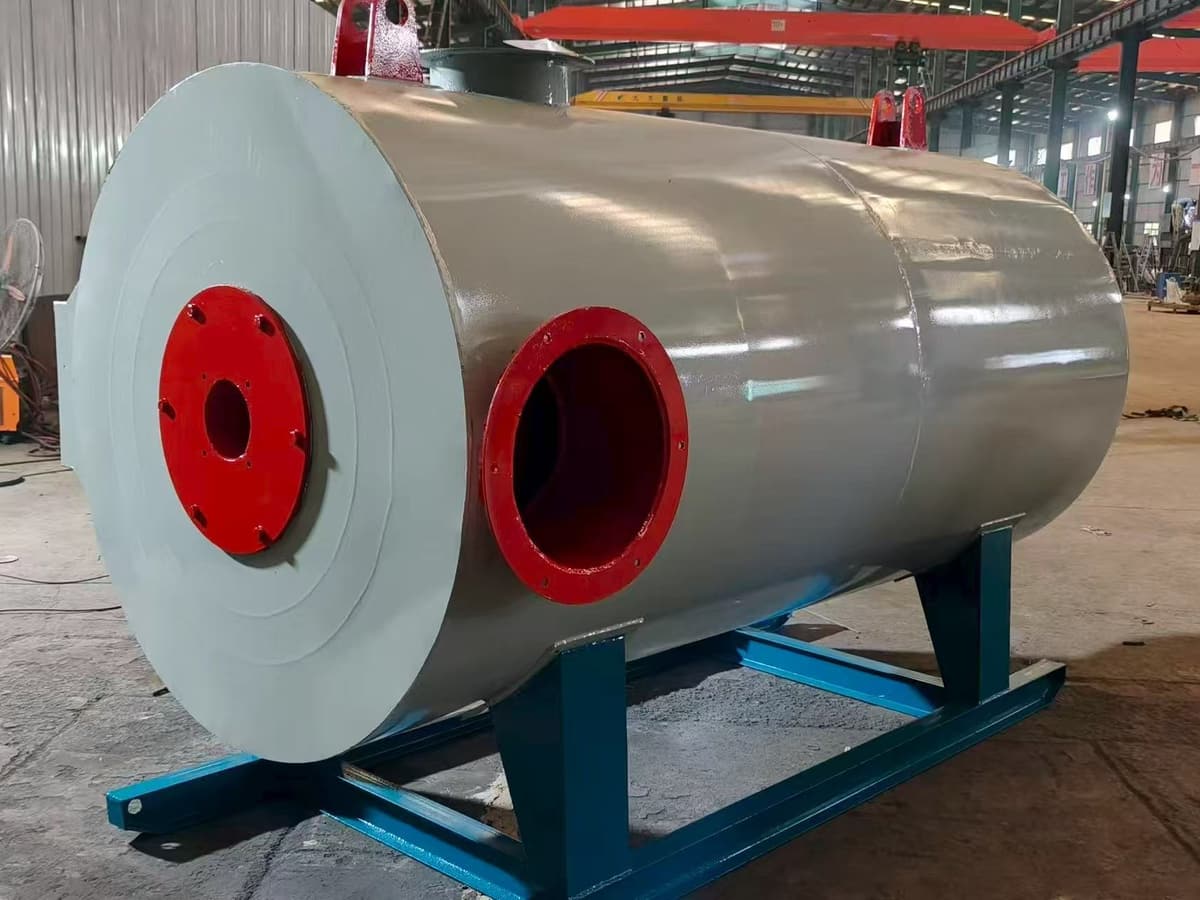
A boiler factory acceptance test and site commissioning answer different questions, and a reliable project needs both when the contract requires them. Factory testing can verify the manufactured package, documents and selected functions before shipment. Site commissioning verifies the installed boiler, auxiliaries, utilities, controls and customer process as an operating system.
The abbreviation FAT is not universal: some documents use it for factory acceptance testing, while others use it for functional acceptance testing. Define every test name, location, witness, prerequisite and acceptance criterion in the contract rather than relying on an acronym.
Start with a requirement-and-evidence matrix
Before manufacturing, convert the approved specification into a matrix with five columns: requirement, verification method, test stage, responsible party and retained record. This prevents a late argument about whether an item should have been inspected at the factory, during installation or under live site conditions.
| Requirement | Suitable evidence stage | Typical retained record |
|---|---|---|
| Model, pressure parts and supplied components match approval | Factory review | Data sheets, drawings, material or inspection records as contracted |
| Package controls and selected interlocks respond | Factory simulation and site functional test | Approved test sheet with results and punch items |
| Fuel, water, flue-gas and process interfaces work together | Site commissioning | Start-up and operating record under agreed conditions |
| Operators understand routine checks and escalation | Site or agreed remote training | Attendance, manuals and handover record |
In a nuclear-facility design and commissioning report, the US Department of Energy describes factory acceptance testing as checking completeness, contractual and quality requirements, functionality and final inspection for selected equipment. The general evidence principle is useful, but the report’s regulatory and project context is not a boiler-industry acceptance standard. Source: US DOE — Design and Commissioning Report.
Define what the factory test can prove
A project-specific boiler FAT checklist may include identification, dimensions, visible workmanship, scope completeness, document review, instrument and valve identification, control-panel power-up, selected input/output simulation, alarm or interlock demonstration, and tests required by the applicable manufacturing plan. Hydrostatic, nondestructive or performance testing must be described precisely if included; their methods and acceptance criteria cannot be inferred from a marketing phrase.
Factory utilities and test arrangements may differ from the customer’s site. Record which functions were physically tested, which were simulated, which documents remain open and who accepted each result. Photographs are useful supporting evidence but do not replace signed data.
Record what FAT cannot prove before shipment
Factory testing normally cannot prove the final foundation, field piping, actual fuel supply, water quality, chimney draft, electrical network, process demand or operator response. It also cannot demonstrate long-term operating results at a plant that has not yet been assembled.
This boundary matters for export projects. Shipment should include an approved packing list, preservation and lifting requirements, interface drawings, manuals and a controlled punch list. JINHONG’s manufacturing and quality page shows the route from engineering release and material preparation to fabrication, inspection and dispatch without presenting one photograph as proof for every project.
Commission the installed system under agreed prerequisites
Site commissioning begins only after installation checks and the required utilities, permits, water treatment, fuel, ventilation, flue route and safety provisions are ready. The team should verify rotation, valve line-up, instrument calibration status, communication, permissives, trips and sequence logic before progressing to approved live tests.
CIBSE Commissioning Code B lists planning, pre-commissioning, verification, dry and live runs, calibration, reporting, training and handover as parts of boiler commissioning. Source: CIBSE — Commissioning Code B: Boilers. The exact legal and technical procedure must follow the destination’s requirements and the approved equipment documentation.
Close deficiencies, retest and hand over usable records
A failed or incomplete point should become a numbered punch-list item with an owner, target date, effect on operation and required retest. Acceptance should not depend on deleting an alarm or accepting an unexplained deviation. DOE commissioning guidance emphasizes investigation, implementation, retesting and final integration of records into operations. Source: US DOE FEMP — commissioning process.
The handover pack should match the agreed scope and may include approved drawings, settings, test records, punch-list closure, spare-parts information, manuals, training records and contacts. IEC 62381 defines factory and site acceptance or integration testing for automation systems, reinforcing that the test method, activities and acceptance basis must be agreed for each stage. Source: IEC 62381 — FAT, FIT, SAT and SIT for automation systems.
Apply the boundary to a JINHONG project
JINHONG’s service workflow connects requirement review, manufacturing control, factory testing and agreed start-up support. The complete-system guide helps assign boiler, fuel, water, emission, controls and site interfaces. Compare that framework with the completed Egypt WNS project and the Uzbekistan SZL project, while treating each page only as evidence for its own confirmed scope. Define the required tests and witnesses through the technical proposal form.
Frequently asked questions
Does a factory acceptance test mean the boiler is ready for production?
No. It confirms only the agreed factory-stage evidence. The installed system still requires site checks, commissioning and approvals before production.
Should every alarm and interlock be tested at the factory?
The approved test plan must state what is physically tested, simulated or deferred. Site-dependent functions often require final verification after installation.
Who should witness boiler acceptance testing?
The contract should name the responsible manufacturer, customer, inspector or other authorized parties for each stage. Witnessing requirements depend on the project, destination and applicable conformity route.
Technical references
Primary and official sources consulted for this guide. Source publication dates, jurisdictions and equipment contexts differ; examples are not JINHONG performance claims.