
Low-NOx Gas Boiler Engineering: Burner Selection, FGR and Commissioning Boundaries
A procurement-focused guide to low-NOx burner and flue-gas-recirculation projects, with clear boundaries for fuel data, boiler integration, emissions reporting and site commissioning.
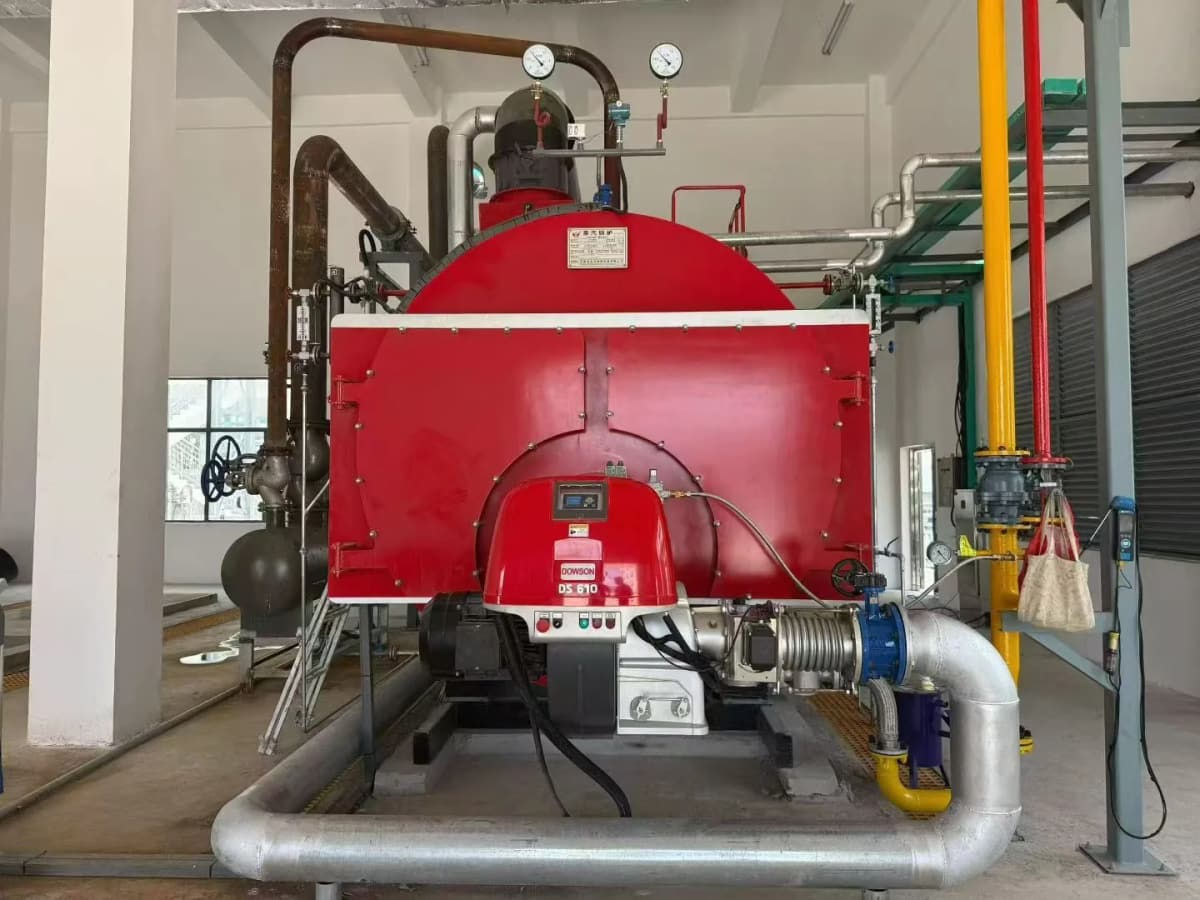
A credible low-NOx gas boiler proposal begins with the applicable emissions limit and reporting basis, then matches the burner, furnace, flue-gas recirculation arrangement, controls and commissioning plan to that requirement. The words low NOx or FGR do not establish a guaranteed value. Any commitment needs stated fuel, load, ambient conditions, measurement method and acceptance responsibility.
This guide explains what plant owners should specify and verify. It is not a burner-tuning procedure and contains no universal oxygen, FGR or emissions setpoint.
Define the emissions requirement before selecting the burner
Obtain the destination permit or the written requirement from the responsible local professional. Record the pollutant, numerical limit, units, reference oxygen, wet or dry basis, averaging period, test method, operating loads and whether startup or other conditions are treated separately. A concentration without these definitions cannot support a fair supplier comparison.
Confirm natural-gas composition, available pressure and variation, combustion-air temperature and altitude. Gas composition, peak flame temperature, excess-air distribution, furnace geometry, residence time and burner operation can affect NOx formation. The U.S. EPA’s technology catalog describes low-NOx burner modifications and flue-gas recirculation as combustion approaches for industrial boilers, while also noting interactions with operating parameters. Its examples are not JINHONG guarantees or destination-country limits.
Understand what the burner and FGR each do
Low-NOx burners control the way fuel and air mix so that peak flame temperature and oxygen availability in critical flame zones can be managed. Designs differ: staged mixing, internal recirculation, premix and other approaches are not interchangeable. Ask for the exact burner model, approved fuel range, firing range and compatibility with the proposed boiler furnace.
FGR returns a controlled portion of flue gas to the combustion process. The recirculated gas can dilute the reacting mixture and reduce peak flame temperature. External FGR may require ductwork, a control valve and either a dedicated or integrated flow route; internal arrangements differ. Weishaupt’s official product material provides one manufacturer-specific example of FGR integrated with burner controls. It does not establish the configuration or performance of another burner.
The boiler, burner and FGR route must be engineered as one combustion system. Fan capacity, pressure loss, flue-gas temperature, condensation or corrosion risk, mixing, flame stability and furnace heat release require review.
Protect operating range and safety functions
An emissions result at one steady load does not prove behavior across the plant’s operating range. Request a firing-range review that includes normal production, minimum stable load and agreed test points. Excessive cycling or operation outside the approved range may change both emissions and useful performance.
Oxygen trim can make bounded corrections to a commissioned combustion curve; it does not replace initial setup or the flame-safeguard system. Fireye’s commissioning manual is an equipment-specific example of oxygen feedback acting within programmed limits. Compatibility, failure response and correction limits must be documented for the actual controller.
Do not bypass trips, widen limits or reduce air to chase a lower analyzer number. The boiler excess-air and oxygen-control guide explains why oxygen must be interpreted with carbon monoxide, load, temperature and sampling evidence.
Commission the complete boiler-burner system
Commissioning should be performed by qualified personnel using the approved boiler, burner, FGR and control documentation. Before firing, verify equipment identification, fuel train, valves, fan rotation, damper travel, sensors, pressure switches, purge logic, flame detection, alarms and shutdown functions. Hot commissioning then establishes the permitted firing curve and records operation at the agreed loads.
Sampling location and instrumentation matter. Air entering downstream of the furnace can distort oxygen readings, while unmatched wet/dry or reference-oxygen bases can make two reports incomparable. Agree who supplies calibrated instruments, who performs the compliance test and what happens if site fuel or ambient conditions differ from the contractual basis.
Bosch’s burner-efficiency discussion distinguishes oxygen and combined oxygen/CO control and notes that ambient and fuel conditions change. Its illustrative settings are not instructions for another system. HSE guidance emphasizes competent people and retained operating records; its regulatory context is the UK, so destination law remains controlling.
Write a contract boundary that can be tested
| Contract item | What should be stated |
|---|---|
| Requirement | Limit, units, reference basis, averaging and applicable operating conditions |
| Fuel and site | Gas composition and pressure, altitude, ambient range and utilities |
| Equipment | Boiler, burner, FGR route, fans, sensors, controller and stack interface |
| Test | Method, test points, stabilization, instruments, responsible organization and report |
| Exclusions | Unapproved fuel, altered settings, off-design operation and third-party site changes |
Separate guaranteed contractual values from indicative engineering discussion. Do not publish or promise an emissions number from another project. The completed Egypt 6 TPH WNS project confirms a low-NOx burner and FGR configuration, but no contract target or measured result has been made public.
Connect emissions with performance and maintenance
Evaluate fuel-to-steam or fuel-to-hot-water performance under the same load and reporting boundary used for the emissions review. Additional fan work and changed flue-gas flow belong in the system assessment. See boiler efficiency versus combustion efficiency before comparing headline percentages.
Maintenance planning should cover burner components, actuators, FGR ducts or passages, sensors, flame safeguard, filters and gas-train devices. Record approved settings and changes. Suitable routes may include the WNS gas steam boiler or SZS water-tube boiler, but the final burner and emissions scope remain project-specific.
Frequently asked questions
Does FGR guarantee a specific NOx value?
No. Result depends on the complete boiler-burner system, fuel, load, controls, site conditions and test basis. A value is contractual only when those conditions and acceptance method are stated.
Is the lowest possible oxygen setting the best?
No. Combustion must remain stable and safe across the approved range. Oxygen is reviewed with carbon monoxide and other evidence by qualified personnel.
Can a low-NOx burner be retrofitted to any boiler?
Retrofit feasibility requires furnace, heat-release, fuel-train, fan, control, flue and compliance review. Physical fit alone is insufficient.
Who should perform the emissions test?
The contract and local rules should identify the qualified testing organization, method, instruments, operating points and report responsibility.
Send JINHONG the emissions basis, gas data, load profile and destination, or use the service contact for an existing equipment review. No protected setting should be changed from this article.
Technical references
Primary and official sources consulted for this guide. Source publication dates, jurisdictions and equipment contexts differ; examples are not JINHONG performance claims.