
Buying a Hand-Fired Coal or Wood Boiler for Residential Heating
A procurement checklist for residential heating projects considering a manually charged coal or firewood boiler, covering heat demand, staffing, specified fuel, circuit design and winter handover.
A hand-fired hot water boiler purchase needs more than a thermal rating and an available fuel. For residential heating, the buyer must also define the building demand, staffing arrangement, water circuit and plan for interruptions during cold weather. Manual fuel charging is a continuing site responsibility that should be evaluated before comparing quotations.
This checklist concerns a boiler serving a residential heating system. It is not a household appliance installation guide, and it does not convert boiler output into a guaranteed heated floor area.
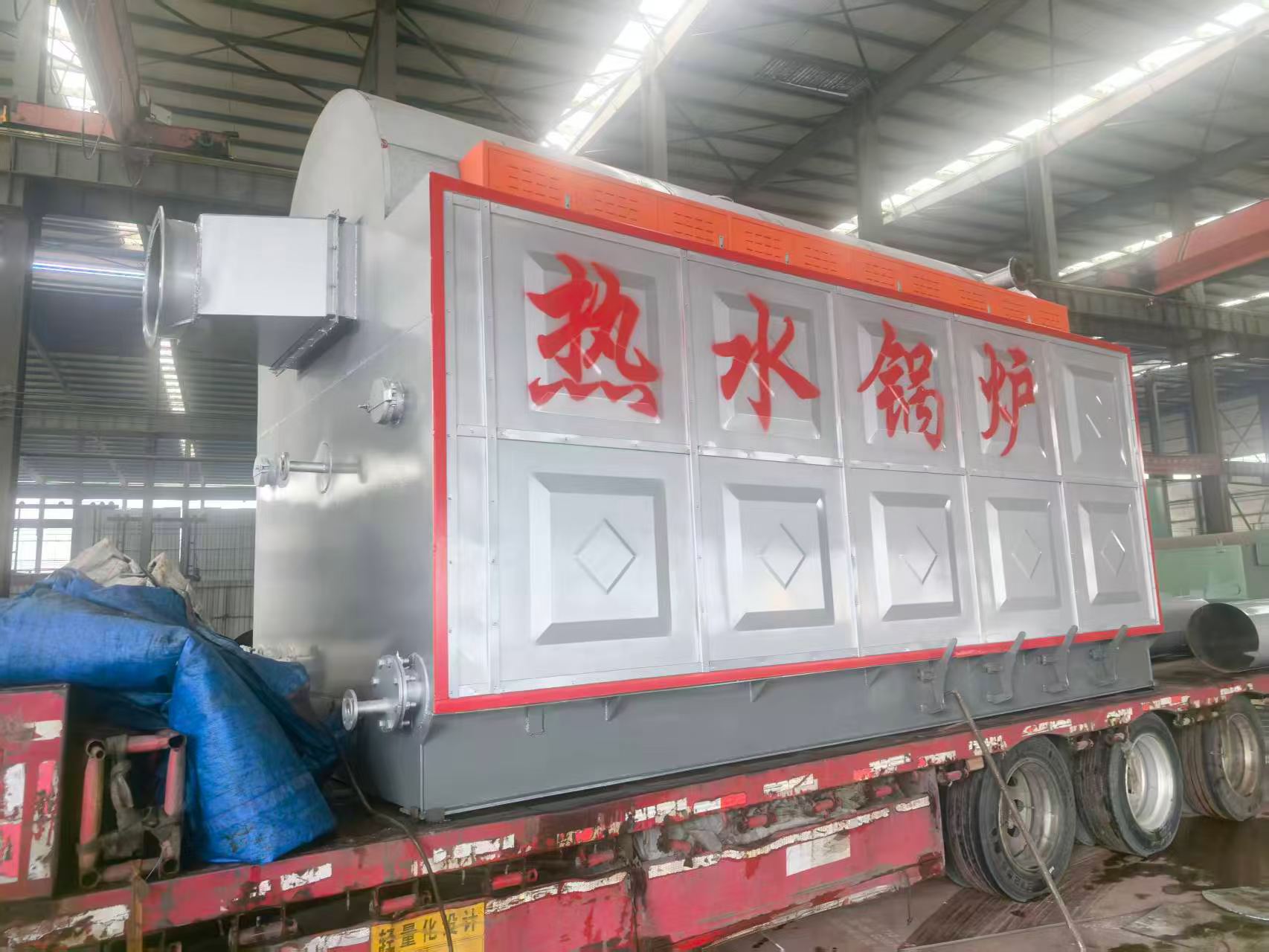
The Kazakhstan reference configuration
JINHONG’s Kazakhstan residential heating project used one CDZH2.8-95/70-AII atmospheric hot water boiler. Its rated thermal output is 2.8 MW, with rated supply/return temperatures of 95/70°C, for coal and firewood. Fuel is charged by hand. The project was completed in 2026 with on-site JINHONG service.
1. Ask for a heat-load basis, not an area promise
Provide the location, building use, heated areas, construction and insulation information, required indoor conditions and heating schedule. Ask the local designer to identify the outdoor design basis and quantify building heat losses. For an existing system, supply available heat-meter records together with the weather and operating conditions behind them.
List network losses, separately required domestic hot water and approved future extensions as distinct items. A single area figure hides differences between well-insulated buildings, exposed older blocks and long distribution routes. Ask the quotation to identify what its output must cover and which assumptions remain provisional.
2. Specify coal and firewood as separate fuel inputs
“Coal and wood” does not mean that all locally available fuels are interchangeable. Provide representative fuel information and ask for written suitability against the proposed boiler specification. The buyer’s record should include:
- For coal: declared type, size range, calorific-value basis, moisture, ash and available composition reports.
- For firewood: source, piece dimensions, moisture information and how the fuel will be stored and handled.
- For both: supply reliability, delivery method, delivered quotation date and the planned use of each fuel.
Use the fuel-evaluation guide for wood-related sampling questions. Forest Research’s installation guidance supports checking fuel characteristics, storage and delivery early. Its biomass examples are background guidance, not a fuel specification or approval for this coal/wood boiler.
3. Make the manual workload visible in the offer
Confirm who will receive and move fuel, charge the boiler, manage ash, keep records and cover absences. Ask the supplier to explain the expected attendance requirements for the proposed duty and accepted fuel, then compare those requirements with the site’s staffing plan. Do not assume that a manual-firing purchase provides unattended overnight operation.
Show the fuel route and ash-handling area on the site layout, including winter delivery access. Ask for the required operating, cleaning and maintenance instructions in a language the assigned staff can use. Training attendance and an identified maintenance contact should be explicit handover items.
4. Resolve the water-circuit boundary before ordering
An atmospheric boiler description does not mean every connected building circuit operates at atmospheric pressure. Provide building elevations, existing circuit type, pump information, water volume where known and the proposed connection drawing. Have the responsible designer determine the appropriate arrangement and any separation between the boiler and distribution circuits.
The proposal should identify circulation, venting, expansion and protection arrangements and explain the design response to loss of electrical power or circulation. For a solid-fuel installation, the review must address heat remaining after normal heat demand stops; Caleffi’s wood-fired system example also highlights residual heat during power failure. These are design and acceptance questions, not instructions to alter valves, vents or controls.
Use JINHONG’s hot-water circulation and expansion guide as the shared technical reference. Caleffi’s solid-fuel system guidance emphasizes matching control, expansion and safety equipment to the particular system. Its illustrated circuit must not be copied as this project’s approved design.
5. Compare complete site responsibilities
| Work package | Required clarification |
|---|---|
| Boiler and auxiliaries | Included equipment, interfaces and supplied documentation |
| Building and access | Foundations, delivery route, working space and local construction |
| Flue and combustion air | Who designs, supplies, installs and verifies the arrangement |
| Water and electrical work | Connection boundaries, treatment needs and responsible contractors |
| Winter continuity | Backup arrangements, spare parts, service response and interruption plan |
The boiler-room planning guide helps organize the drawing inputs. Applicable local requirements must be confirmed for the actual location. HSE’s industrial boiler management guidance is a useful general reference for competence and management responsibilities, not a statement of Kazakhstan’s legal requirements.
Prepare a reviewable purchase brief
Use the project-data checklist and request a heating proposal with the load basis, fuel records, staffing plan and circuit drawings. Agree commissioning and handover evidence before purchase. If commissioning takes place outside the heating season, record which conditions were tested and how any later winter-load verification will be handled.