
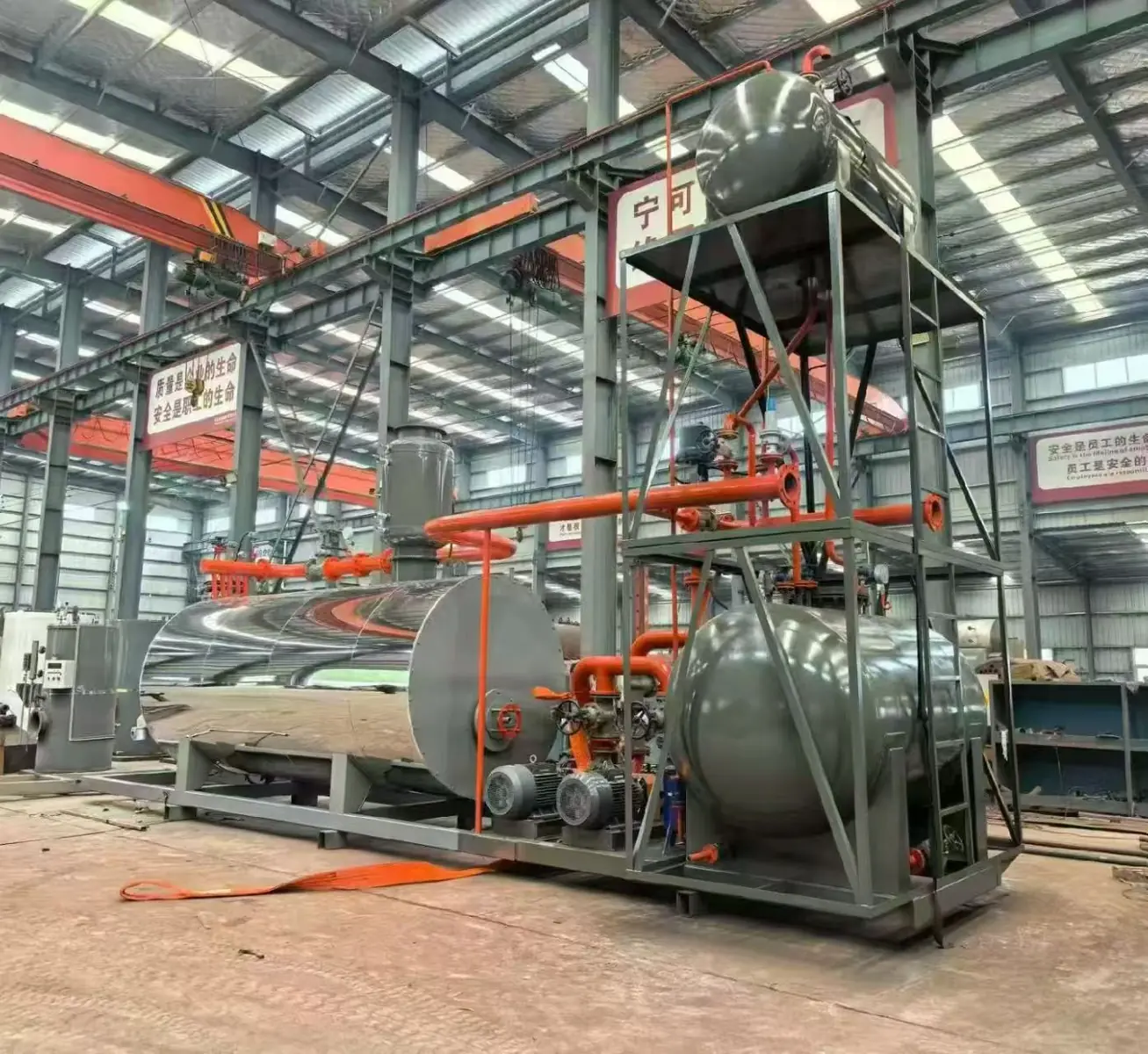
Why a capacity number is not enough
“We need a 4 TPH boiler” is a starting point, not a complete engineering brief. Two factories with the same nominal steam demand can require different furnace types, burner systems, water-treatment packages, control philosophy and delivery scope. The difference comes from how the process actually consumes heat.
A reliable proposal should explain the selection logic. It should connect process demand to boiler capacity, working pressure, fuel handling, emissions control and the equipment included in the supply boundary.
The five inputs engineers need
1. Process and heat-using equipment
Identify what consumes the steam, hot water or thermal oil: dyeing machines, presses, dryers, reactors, sterilizers, heating tanks or a plant heating loop. Include the quantity and basic duty of each user. This determines whether the project needs saturated steam, hot water or a high-temperature circulating fluid.
2. Load and operating profile
State the expected running demand, the highest simultaneous demand, warm-up requirement, shifts per day and days per year. A plant that runs continuously should not be evaluated in the same way as a batch plant with a sharp morning start-up peak.
3. Required pressure or temperature
Provide the required condition at the equipment inlet, not only a preferred boiler nameplate value. Distribution losses, control-valve allowance and elevation must be reviewed between the boiler house and the process.
4. Real fuel information
For gas or oil, include fuel type, available pressure and local specification. For biomass, include moisture, particle size, ash, calorific value and supply consistency. “Biomass” can describe fuels that behave very differently in a furnace.
5. Site, utilities and supply boundary
Country, altitude, ambient conditions, available power, raw-water analysis, installation space, local emission rules and delivery restrictions all affect the system. Also define whether the quotation is for the boiler body, a packaged boiler, or a complete boiler-room system.
Turn vague requests into usable project data
| Vague request | Engineering-ready input |
|---|---|
| “4 TPH boiler” | Running load, peak load, warm-up time and daily schedule |
| “10 bar pressure” | Required pressure at the farthest process user and pipeline route |
| “Use biomass” | Fuel name, moisture, size distribution, ash and laboratory analysis |
| “Complete system” | Written list of included auxiliaries, installation and commissioning boundary |
The goal is not to delay a quotation. It is to prevent a fast but misleading quotation that changes after the process, fuel or site limitations become clear.
What a good proposal should make visible
- Why the selected boiler family fits the process and fuel.
- How the rated capacity relates to running and peak demand.
- The design and operating pressure basis.
- The main auxiliary systems and emission-control route.
- What is supplied by the manufacturer, customer and local contractor.
- Which data still require confirmation before manufacturing.
Information to prepare before engineering review
- Process flow and list of heat-using equipment
- Running, peak and warm-up load data
- Required medium, pressure and temperature at the user
- Fuel specification, availability and price basis
- Raw-water analysis and available electrical supply
- Site country, altitude, layout and emission requirements
- Required delivery, installation and commissioning boundary
These inputs allow a boiler supplier to check the heat source, pressure, fuel system, auxiliaries and site boundary as one system instead of quoting the boiler body in isolation.
Technical references
This guide summarizes established engineering principles. Final selection must be confirmed against project data, local codes and the equipment manufacturer’s design.