Wood & Plywood Boiler Solution
Controlled Heat for Veneer Drying, Hot Presses and Wood-Waste Utilization.
Plywood and wood-processing plants may need steam, thermal oil or indirect hot air. JINHONG selects the heat medium from the dryer, hot press and production temperature, then engineers the combustion system around the available bark, chips, sawdust or other qualified biomass.
Process First
The heating method changes with the machine.
Veneer dryers may use steam coils, thermal oil coils or hot air. Hot presses often require stable high-temperature indirect heating. A boiler selected without the machine heat-exchanger data can deliver the wrong temperature, insufficient recovery or unnecessary pressure.
Air volume and temperature
Dryer airflow, inlet temperature, wood moisture and hourly throughput define the heat duty.
Platen temperature and cycle
Hot-press area, operating temperature and cycle time determine whether steam or thermal oil is more suitable.
Use wood residue responsibly
Fuel size, moisture and contaminants determine feeding, furnace, ash and dust-control design.
Heat-Medium Selection
Match each wood process to the required temperature and control.
| Process | Possible heat medium | Main concern | Selection focus |
|---|---|---|---|
| Veneer drying | Steam, thermal oil or hot air | Moisture uniformity and response | Dryer design, air temperature, airflow and throughput |
| Plywood hot press | Steam or thermal oil | Stable platen temperature and cycle time | Required temperature, pressure and press heat exchanger |
| Board and timber drying | Hot water, steam or hot air | Controlled drying without defects | Kiln temperature, humidity strategy and load profile |
| Resin and adhesive preparation | Steam or thermal oil | Temperature control and safe indirect heating | Reactor duty, batch time and hazardous-area boundary |
Problems We Solve
Production waste can be a fuel only after it is characterized.
Clean wood chips, bark and sawdust differ from coated board, glue-contaminated waste or mixed demolition wood. The fuel approval boundary must be written clearly before combustion and emission equipment is selected.
Dryer temperature is unstable
Check heat-medium flow, control valve, boiler load response, coil condition and fan performance.
Wood waste bridges in the silo
Review particle size, moisture, bulk density, silo geometry and conveyor arrangement.
Ash and dust are excessive
Confirm fuel contamination, air distribution, gas velocity and collector design.
Fuel Approval
Do not treat every wood-related residue as ordinary biomass.
Paint, resin, laminate, plastic and halogen-containing contamination can change emissions, ash, corrosion and legal requirements. The final accepted-fuel list must be defined in the technical proposal.
- Fuel source and representative photos
- Particle-size range and moisture
- Ash and contamination review
- Storage, conveying and fire-safety plan
- Local particulate and gaseous emission limits
- Residue and wastewater handling route
Recommended Equipment
Wood-processing heating options linked to verified product pages.
VERIFIED PROJECT
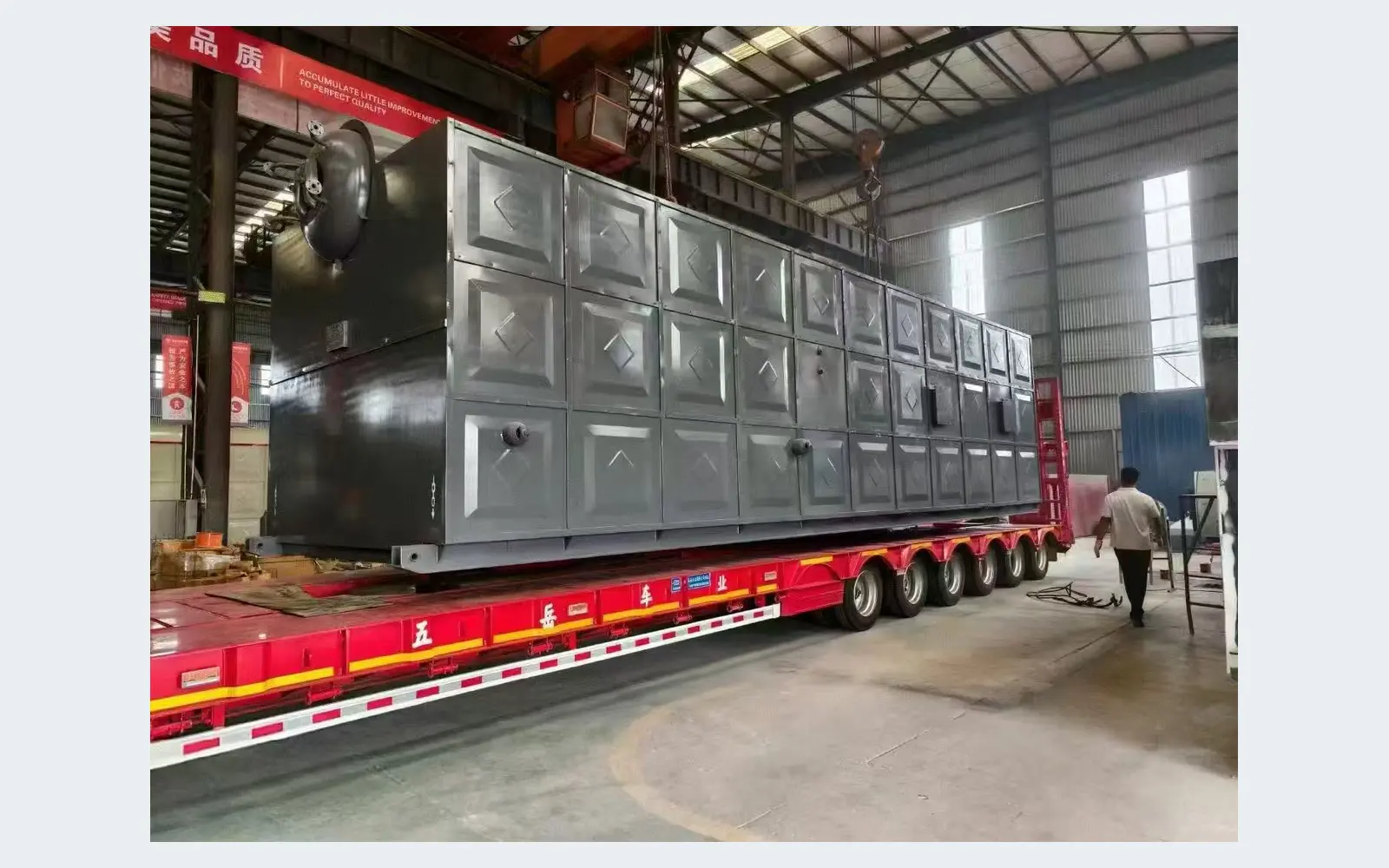
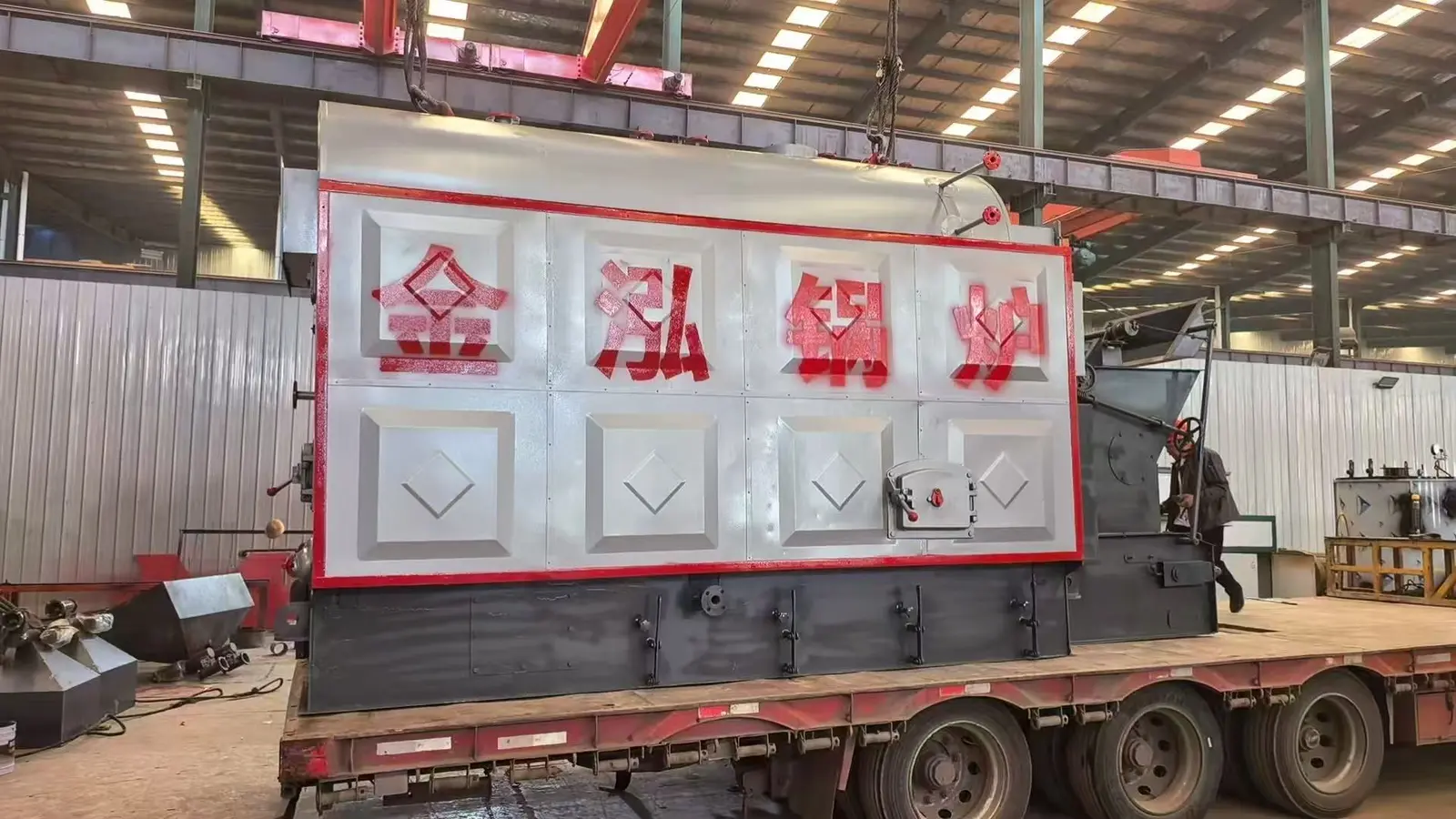
Wood-Processing Projects at Two Different Scales.
These verified deliveries demonstrate that the heating route and equipment size must follow the real process and production scale.
FAQ
Wood and plywood boiler questions.
Is steam or thermal oil better for a plywood hot press?
It depends on the press heat exchanger and required platen temperature. Steam offers strong heat transfer at its saturation condition; thermal oil supports higher temperatures at lower system pressure.
Can the boiler burn sawdust and wood chips?
Yes, with a feeding and furnace system matched to particle size, moisture and bulk density. Fine sawdust and irregular chips may need different storage and metering solutions.
Can painted or glued board waste be burned?
It must not be approved automatically. Coatings, resin, plastics and chemical contamination require fuel analysis and review against local environmental rules.
What data is needed for selection?
Send the dryer or press data, required temperature, hourly throughput, cycle time, fuel samples, operating hours, site power and emission requirement.
Engineering Proposal
Connect the dryer, hot press and fuel system before selecting equipment.
Share your machine data, production rate, required temperature and wood-residue condition. JINHONG will define the heat medium, heater and emission-control scope.
Request a Wood Industry Proposal