
Textile Industry Boiler Solution
Stable Steam for Dyeing, Washing, Finishing and Garment Production.
A textile steam boiler must follow the real machine load—not a generic tons-per-hour estimate. JINHONG matches steam capacity, pressure, fuel and auxiliaries to dyeing batches, washing lines, dryers, compactors and ironing stations.
Process First
Textile plants rarely consume steam at one constant rate.
Dyeing machines heat up, hold temperature, drain and restart in batches. Washing and finishing equipment may operate at the same time, while garment pressing has a smaller but fast-changing demand. The correct textile boiler solution must cover the peak combination without forcing the boiler to cycle inefficiently during lighter periods.
Simultaneous machine demand
Machine steam consumption, batch schedule and diversity determine the practical peak—not the number of machines alone.
Pressure at the equipment
Boiler rated pressure must allow for piping loss, control valves and any pressure-reducing station before steam reaches the process.
Dry, stable saturated steam
Good separation, drainage and distribution reduce water carryover, slow heating and inconsistent dyeing temperature.
Application Map
Match the boiler to the textile process and operating pattern.
| Textile process | Main heat requirement | Common engineering concern | Typical solution direction |
|---|---|---|---|
| Dyeing and yarn dyeing | Saturated steam for bath heating | Fast batch heat-up and pressure stability | WNS gas/oil or DZL/SZL biomass steam boiler |
| Denim washing and garment washing | Steam for washing, chemical treatment and drying | Variable simultaneous load and condensate return | Packaged steam boiler with correctly sized feedwater system |
| Finishing, stenter and hot pressing | Steam or high-temperature thermal fluid | Temperature uniformity and control response | Steam boiler or thermal oil heater according to the machine heat exchanger |
| Garment ironing and pressing | Small, responsive steam supply | Frequent load changes and limited boiler-room space | Compact steam generator or small packaged boiler |
Problems We Solve
When production slows, boiler capacity is not always the only cause.
Low pressure at the dyeing machine can result from undersized steam lines, wet steam, excessive pressure drop, poor condensate drainage, scale on heating surfaces or several machines starting together. JINHONG defines the boiler and the connected system boundary before recommending a larger unit.
Slow heat-up
Review peak steam demand, distribution pressure, pipe sizing, traps and heat-transfer condition.
High fuel cost
Compare local fuel price, boiler efficiency, condensate return, feedwater temperature and operating load.
Unstable pressure
Check burner or grate turndown, water level control, accumulator need and machine scheduling.
Fuel and Emissions
Biomass can reduce operating cost, but the fuel must be engineered as part of the system.
Rice husk, wood chips, pellets, corn cob and textile-related solid residues behave differently in feeding, combustion, ash and flue-gas treatment. Fuel size, moisture, ash and local emission limits determine the grate, furnace, air distribution and dust collector.
- Confirm representative fuel samples and moisture
- Match feeding and grate design to the fuel form
- Define cyclone, multi-cyclone, bag filter or wet scrubber route
- Include ash removal, induced draft and stack interfaces
- Do not promise one collector for every local emission limit
Recommended Equipment
Textile boiler options linked to verified product pages.
VERIFIED PROJECTS
Verified Textile Boiler Projects.
These project records connect textile steam requirements to JINHONG boiler installations in Bangladesh and Egypt.
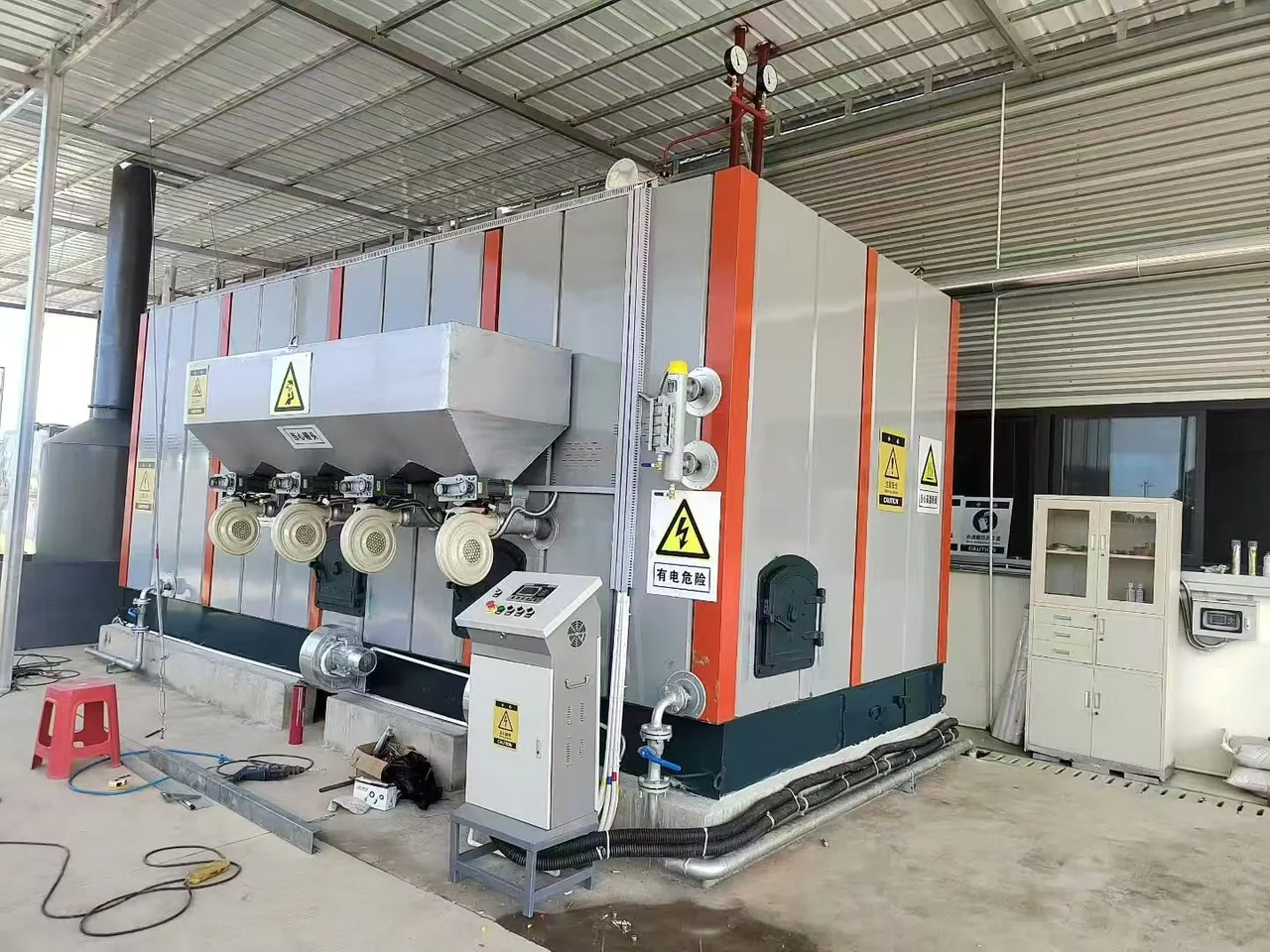
One integrated unit supplies saturated steam for finishing, washing, drying and ironing, using rice husk or biomass pellets.
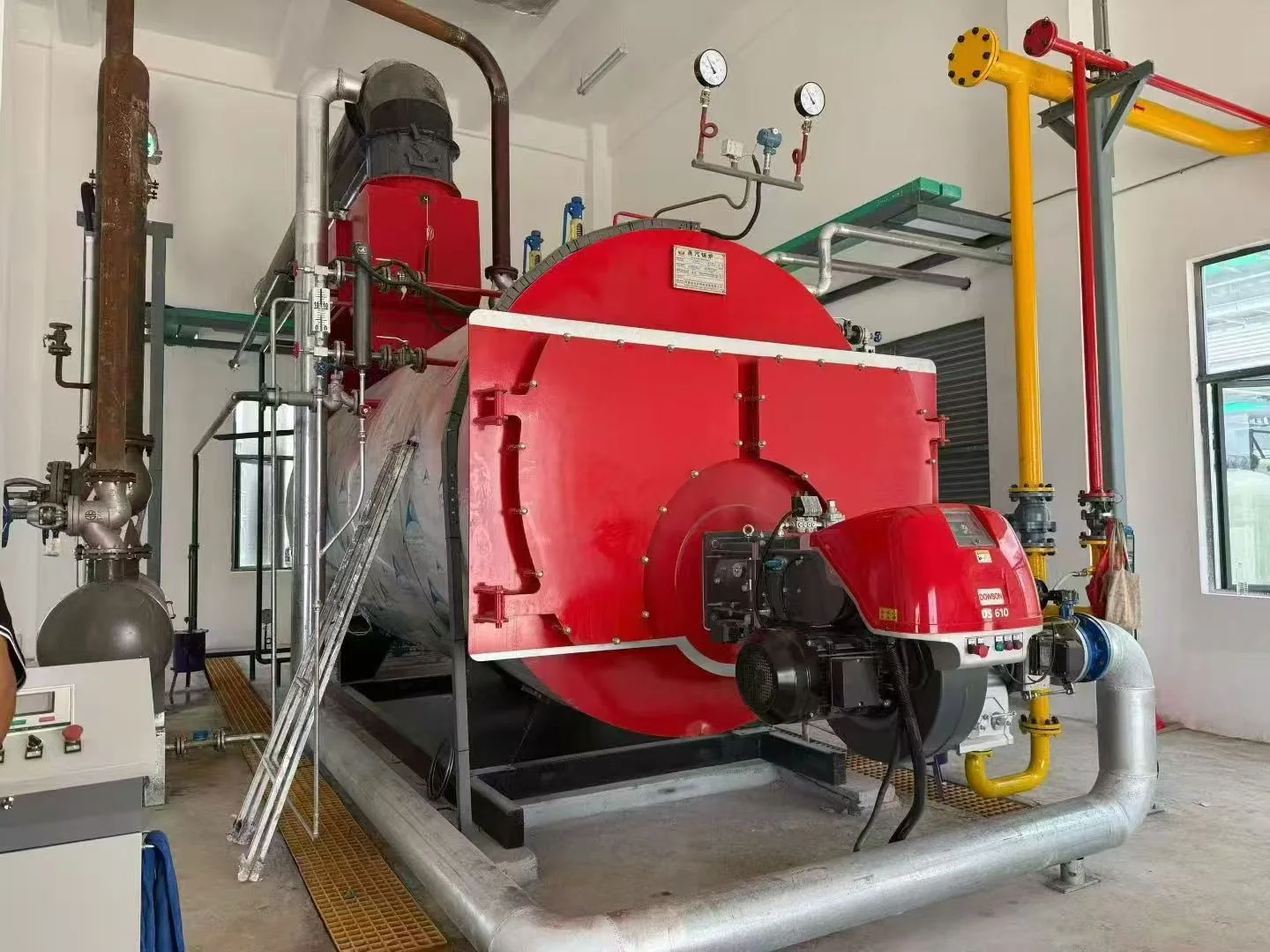
A new dyeing line required additional steam supply. JINHONG supplied the boiler and completed installation, line connection, commissioning and training.
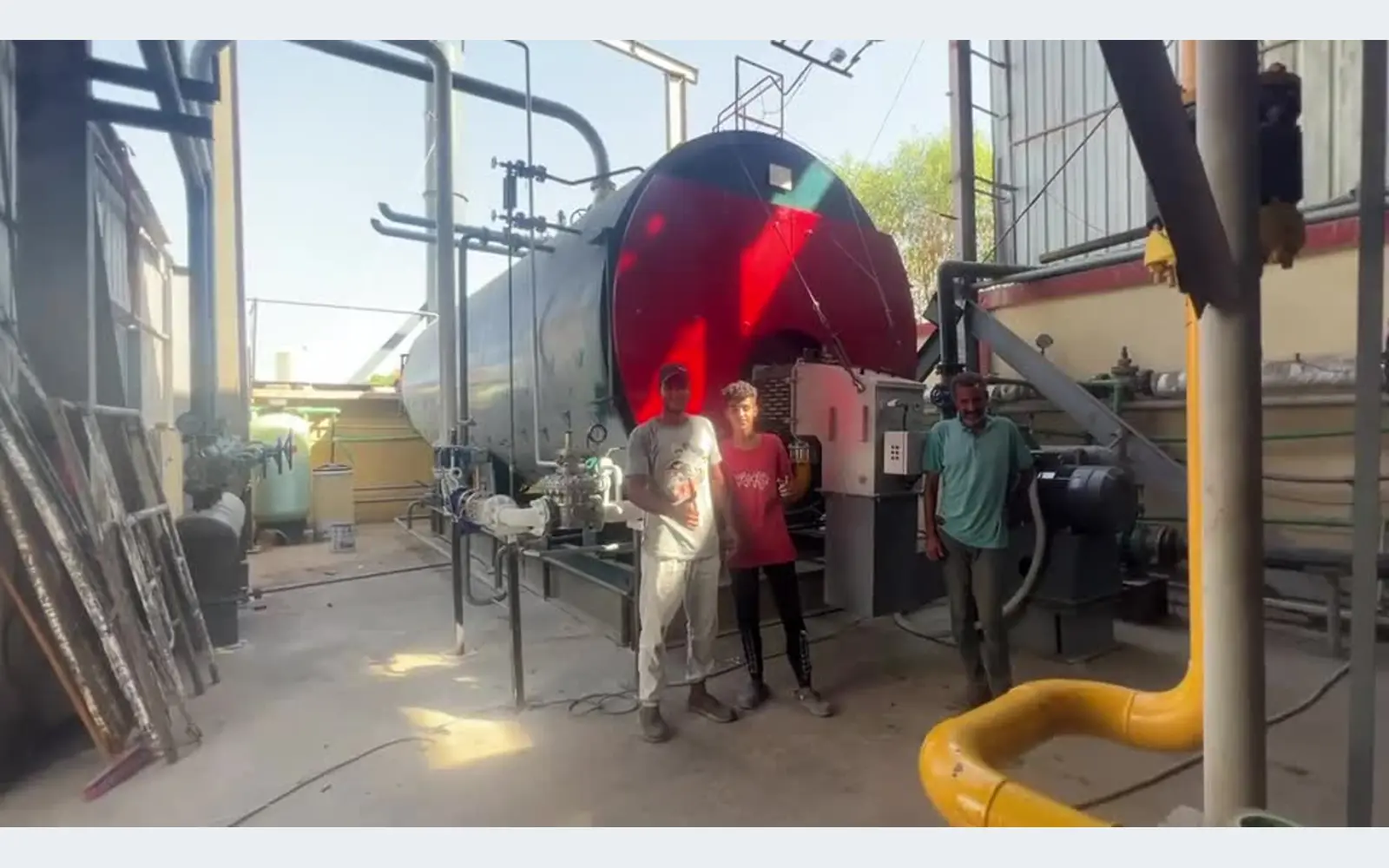
Real customer-site evidence from a textile-dyeing boiler project.
FAQ
Textile steam boiler questions.
How do I size a steam boiler for a dyeing factory?
List each machine’s steam consumption, working pressure, batch heat-up time and operating schedule. The engineering load is based on the highest realistic simultaneous demand plus an appropriate operating margin.
Can a textile boiler use biomass fuel?
Yes, when fuel supply is stable and the furnace, feeder, grate, air system, ash handling and dust collector are matched to the actual biomass. Fuel moisture and particle size should be confirmed before final selection.
Is the machine pressure the same as boiler rated pressure?
No. Steam loses pressure through the distribution system. Boiler rated pressure, operating pressure and equipment inlet pressure must be coordinated with piping and pressure control.
What information is needed for a technical proposal?
Send the process, machine list, steam consumption or production data, required pressure, fuel options, daily operating hours, power supply and destination installation conditions.
Engineering Proposal
Define the real textile load before selecting the boiler.
Send machine quantities, batch schedules, working pressure and available fuels. JINHONG will match the boiler, combustion system, water treatment and emission-control scope.
Request a Textile Boiler Proposal