
Dyeing-Line Expansion: Steam Shortage and Pressure Checks
A buyer’s evidence checklist for textile production expansion: compare existing and new batch loads, record pressure along the same supply path and select a response that matches the demonstrated constraint.
When a new dyeing line coincides with slow heating or falling steam pressure, the purchase decision starts with locating the constraint. Additional boiler capacity may be required, but the same complaint can also involve distribution losses, local controls or a short overlap of batch-heating peaks. Record the production event and the steam-system response together before choosing the equipment scope.
This guide is for production managers and buyers preparing an expansion inquiry. It describes the evidence needed for an engineering review; it does not provide pressure settings or a procedure for changing a live steam system.
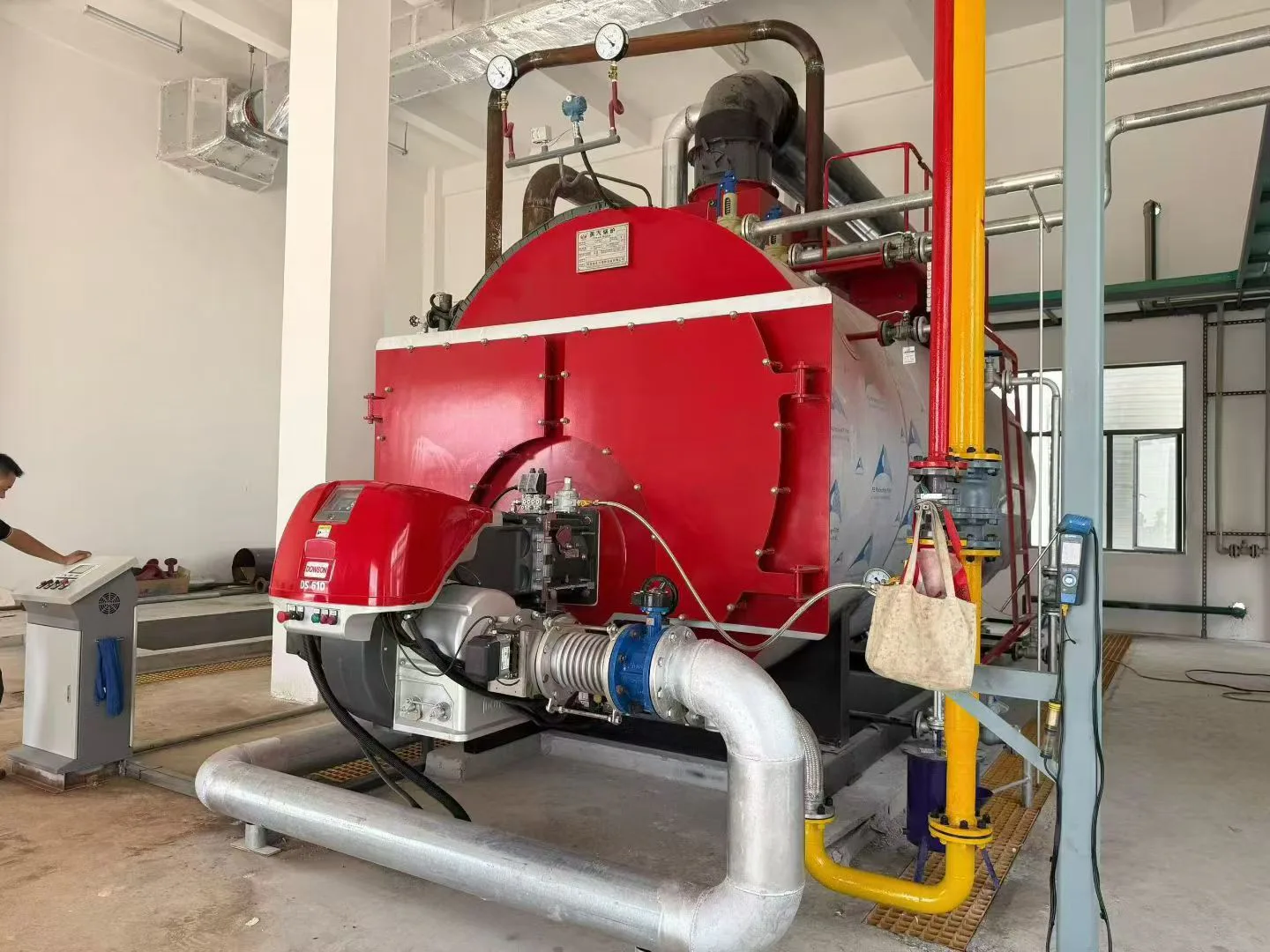
The Egypt dyeing-line expansion project
For JINHONG’s Egypt textile dyeing project, the confirmed requirements included a new production line, insufficient steam and unstable pressure. The supplied WNS6-1.25-Q natural-gas boiler was rated at 6 TPH and 1.25 MPa, with a low-NOx burner and FGR. On-site installation, connection, commissioning and training were completed in 2024.
1. Rebuild the load picture around the expanded production plan
Prepare one equipment list containing both the existing consumers and the proposed line. For each machine, identify the recipe or batch family, batch mass, required heating time, steam inlet requirement and source of the consumption value. Keep manufacturer estimates separate from site measurements.
Next, align their schedules. A daily steam total can conceal several machines beginning their most demanding heating stages together. Record the peak duration as well as the maximum flow; identify whether that overlap is occasional or part of every production cycle. The capacity-calculation guide provides the shared sizing method. The dyeing-specific task is to show which recipes and stages actually coincide.
State whether future growth means an approved second stage or only a possible development. The quotation can then show today’s requirement and an explicit expansion option without hiding both inside an unexplained reserve percentage.
2. Collect matched pressure and production records
Ask the responsible engineer to define safe, suitable measurement points along the affected supply path. Time-align the records and identify whether pressure is gauge or absolute. Include instrument range and calibration status, because readings from different times or uncertain instruments cannot establish the pressure loss during the same event.
| Location or record | Capture during the same batch event | Question it helps answer |
|---|---|---|
| Boiler outlet and common header | Pressure, available steam-flow record, boiler status | Does the supply fall as total demand rises? |
| New-line branch | Pressure and branch flow where available | Where does the additional loss appear? |
| Equipment inlet | Pressure, control demand and process stage | Does the machine receive its specified conditions? |
| Production log | Batch starts, recipe, heating duration and other simultaneous users | Which overlap repeats when the complaint occurs? |
Use the pressure terminology guide to keep process requirements, operating records and equipment ratings distinct. Spirax Sarco’s distribution guidance also explains why losses between the boiler and the process must be allowed for.
3. Match the evidence to the next engineering check
If outlet and header pressure fall while several consumers demand steam, review total demand against demonstrated available boiler output. Include firing, fuel supply and feedwater limitations in that review; a falling header alone does not prove that the installed nameplate capacity is too small.
If header pressure remains acceptable while the new-line inlet falls, investigate the affected route, restrictions and regulating equipment. Provide actual pipe sizes, lengths, fittings and valve details for a steam-pipe sizing review. A larger boiler does not establish that an existing branch can carry the required flow.
If the disturbance follows repeated control changes, or adequate inlet pressure accompanies poor heating, expand the review to equipment controls, steam quality and condensate drainage. These observations suggest investigation paths, not diagnoses. The process-equipment supplier should participate where machine behavior is involved.
4. Compare solutions at peak and low demand
Possible proposals include additional generation, revised distribution, corrected equipment connections or production sequencing that the factory can sustain. Brief peak demand is different from a continuous deficit. Spirax Sarco’s accumulator guidance describes storage as an engineered response to some peaks; it requires suitable charging capacity and is not a substitute for an adequate sustained supply.
Also review nights, partial production and maintenance periods. The turndown guide helps frame a comparison of minimum, normal and peak operation rather than selecting solely for the largest momentary load.
Define the quotation and acceptance basis
Send an expansion inquiry with the combined equipment list, batch schedule, matched records and route drawing. Request a stated design basis, division of site work and an agreed commissioning record at representative simultaneous demand. Include emission requirements and test conditions separately where applicable. A burner description or boiler rating alone is not acceptance evidence for the expanded factory.