
Boiler Excess Air and Oxygen Control: What a Reliable Combustion Review Should Include
How plant managers can evaluate combustion performance and oxygen-trim proposals without relying on a universal oxygen target or unsafe tuning shortcuts.
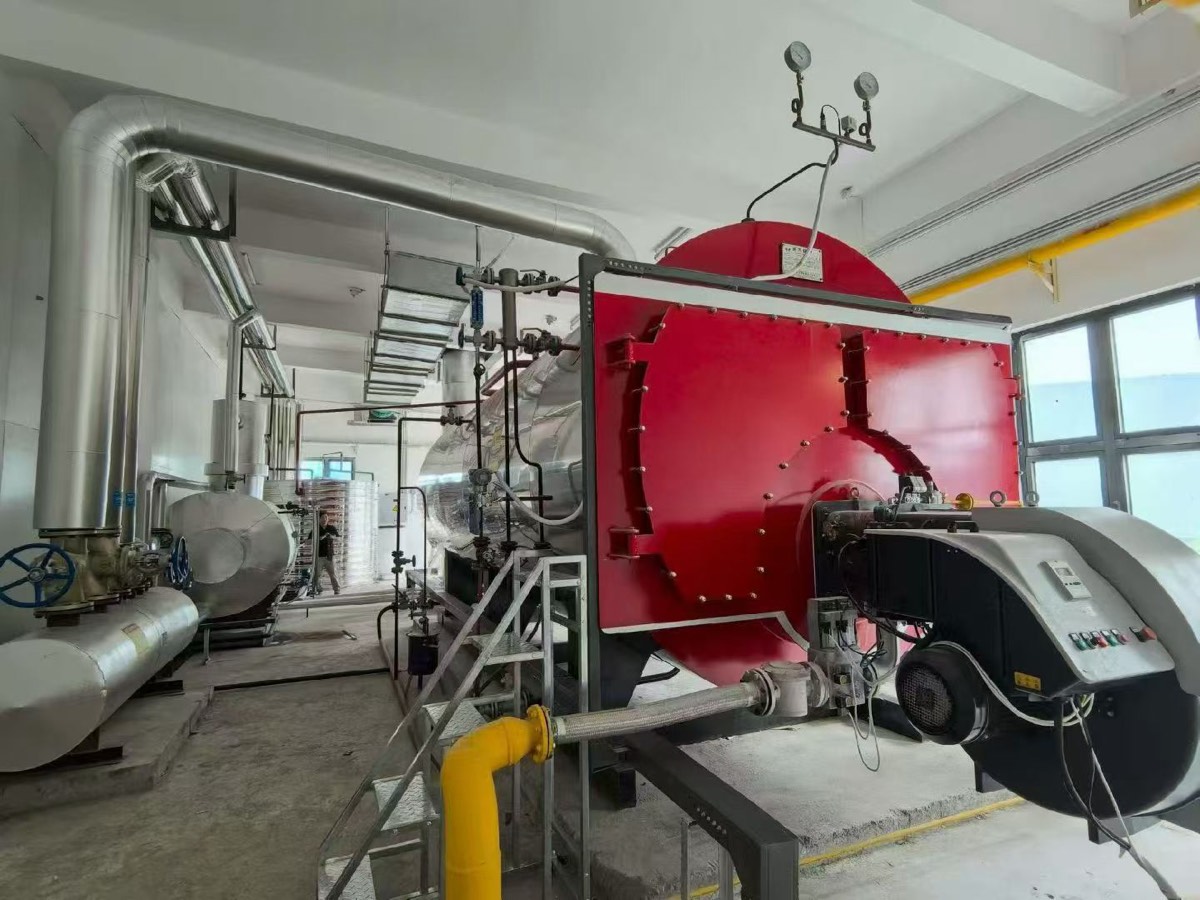
Boiler excess air and oxygen control are often presented as a simple efficiency exercise: reduce oxygen in the exhaust and save fuel. That explanation leaves out the central engineering responsibility. Combustion must remain stable, within the equipment’s approved operating envelope, and consistent with the site’s emissions obligations throughout the usable load range.
This article is a guide to specifying and reviewing professional combustion work. It is not a procedure for changing dampers, fuel valves, interlocks or controller settings.
Why boilers need excess air
The theoretical air requirement assumes ideal mixing and complete reaction. Real combustion needs a margin beyond that ideal. Too little air can leave unburned fuel and carbon monoxide; too much air increases the quantity of gas heated and discharged. Flue-gas oxygen and temperature help assess this balance. DOE combustion-efficiency guidance.
The correct conclusion is not that the lowest possible oxygen reading is best. It is that the combustion system needs a verified operating range. A number recorded at one load, on one fuel, cannot establish that range for an entire factory production cycle.
What oxygen trim does—and what it does not do
An oxygen-trim system uses measured residual oxygen to make limited corrections to an established combustion-control arrangement. Fireye’s NX6300 manual describes a commissioned system that uses oxygen feedback to correct air or fuel control as fuel and environmental conditions change. Its response follows the programmed firing-range profile. This equipment-specific example does not establish compatibility with a JINHONG boiler. Fireye NX6300 commissioning manual, Section 4.
For procurement, ask which boiler, burner, fuel and controller combinations the proposed system supports. Clarify the correction limits, response to a failed sensor, alarm handling and documented fallback behavior. These must be supplied and validated by the responsible specialists, not assumed from the words “automatic oxygen control.”
Oxygen trim should not be presented as a substitute for sound equipment condition, qualified commissioning or the flame-safeguard system. The project must preserve all applicable safety functions.
Read oxygen alongside other evidence
High measured oxygen does not by itself prove excessive burner air. Air entering downstream of combustion can raise the reading without providing oxygen at the flame. A specialist should check measurement location, air ingress and sampling integrity before interpreting the result. Emerson explains this measurement problem in its boiler-control instrumentation guidance.
| Evidence to request | What it contributes to the review |
|---|---|
| Oxygen with load and fuel recorded | Context for residual oxygen rather than an isolated percentage |
| Carbon monoxide and combustion observations | Evidence relevant to incomplete combustion and stability |
| Flue-gas and combustion-air temperatures | Context for stack-loss calculations |
| Applicable emissions measurements | A check against the site’s actual permit and reporting basis |
| Instrument and sampling records | Confidence that apparent changes reflect the boiler rather than measurement error |
Confirm whether concentration results use a wet or dry basis and whether emissions are corrected to a reference oxygen concentration. Comparing unmatched reporting bases can create a false improvement. Ask the testing specialist to document sample location, instrument calibration and the applicable reporting method.
Load and fuel changes matter
A commissioned combustion curve should be evaluated across the approved operating range, not just at full load. Air density, fuel quality and operating conditions can change between visits. Bosch’s technical discussion explains the purpose of residual-oxygen feedback under varying conditions and distinguishes oxygen-only control from combined oxygen/CO arrangements. Its example settings should not be copied to unrelated equipment. Bosch burner-efficiency and control discussion.
Gas, liquid fuel and solid fuel are not interchangeable tuning cases. A review of a gas burner does not validate a coal grate or a biomass feed system. For a dual-fuel installation, request evidence for each approved fuel. For variable solid fuels, include representative moisture, particle-size and composition records when defining the assessment.
Specify the professional work and its handover
A useful commissioning scope identifies who is responsible for the burner, boiler, controls and emissions testing. It also states the acceptance conditions and the documents that will remain at the factory. HSE’s industrial-boiler safety guidance emphasizes competent management, retained records and review of modifications that may affect risk. Its legal context is the UK; the destination site’s own requirements remain controlling. HSE industrial-boiler safety guidance.
- Provide equipment identification, manuals, previous commissioning records and fuel information.
- Define the operating loads and site conditions to be represented during testing.
- Require a documented review of safety functions and approved fault responses.
- Retain final readings, instrument details, permitted settings and a clear change record.
- Agree who will maintain sensors and investigate future deviations.
Operators should follow the approved manual and site emergency procedures when abnormal combustion, alarms or unsafe conditions occur. Do not bypass a trip, repeatedly reset a fault or reduce air to chase an efficiency number.
Verify benefit using comparable operating data
After professional commissioning, compare fuel use against measured useful output over representative operating periods. Record changes in production, steam conditions and fuel properties. A better analyzer percentage is supporting evidence, not the complete annual business case. See boiler efficiency versus combustion efficiency for the measurement boundary.
Frequently asked questions
What oxygen percentage should an industrial boiler use?
There is no universal target. The approved value and allowable range depend on the specific equipment, fuel, load, controls and emissions requirements.
Will oxygen trim fix an unstable flame?
It should not be assumed to do so. Instability requires investigation by qualified personnel before any optimization proposal is accepted.
Can plant staff tune the boiler using an online chart?
No. Generic charts cannot establish safe settings for a particular installation. Use qualified specialists and the manufacturer’s commissioning procedure.
For an equipment review, contact JINHONG service with the boiler and burner identification, fuel specification and recent operating records.
Technical references
Primary sources consulted for this guide. Source publication dates and equipment contexts differ; historical examples are not JINHONG performance claims.
- DOE Steam Tip Sheet 4: Improve Your Boiler’s Combustion Efficiency
- Fireye NX6300 Commissioning Manual, Section 4: Oxygen Trim Operation
- Emerson: Four Key Measurements for Optimal Boiler Control
- Bosch Steam Boiler Planning: Increasing Efficiency at the Burner System
- HSE INDG436: Safe Management of Industrial Steam and Hot Water Boilers