
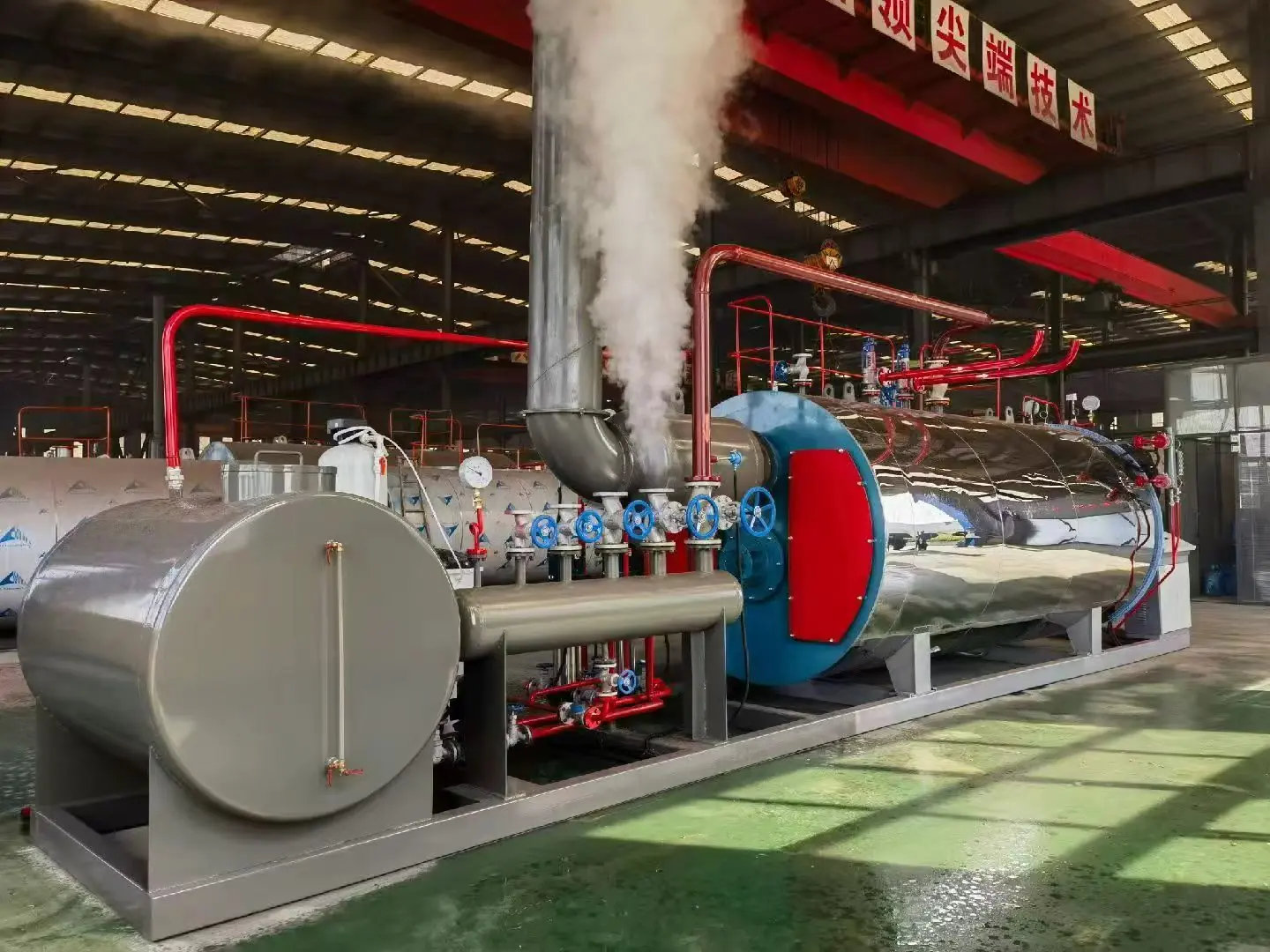
Feedwater is a system, not one tank
Boiler feedwater usually combines treated make-up water with returned condensate. Its quality changes with the raw-water source, make-up percentage, process contamination and operating pressure. A suitable program therefore considers the entire water and steam circuit.
Poor control can create scale, corrosion, foaming, carryover and deposits. These problems reduce heat transfer and may damage pressure parts or downstream equipment.
The main treatment stages
Raw-water pretreatment
Filtration removes suspended material where required. Softening, demineralization, reverse osmosis or other processes are selected according to hardness, alkalinity, silica, dissolved solids and boiler requirements. Softening alone does not remove every troublesome constituent.
Condensate recovery
Clean condensate is already hot and normally contains fewer dissolved minerals than fresh make-up water. Returning it can reduce water, treatment chemical and energy demand. Suspected process contamination must be detected and diverted.
Deaeration and oxygen control
Heating and venting reduce dissolved gases; chemical treatment may provide additional control. Equipment size, temperature, storage time and operating practice all matter.
Internal chemical treatment
A qualified water-treatment specialist establishes chemical targets based on boiler type, pressure and feedwater quality. Treatment may address residual hardness, alkalinity, oxygen and deposit control.
Blowdown
Blowdown limits the concentration of dissolved and suspended material. Too little allows concentration to rise; excessive blowdown wastes heat, water and chemicals. Continuous and bottom blowdown serve different purposes.
What should be measured
| Location | Typical reason for testing |
|---|---|
| Raw water | Choose and size the external treatment process |
| Treated make-up | Confirm treatment performance before the feed tank |
| Feedwater | Check the combined water entering the boiler |
| Boiler water | Control concentration and chemical conditions |
| Condensate return | Detect corrosion or process contamination |
Exact limits depend on the boiler design, operating pressure, manufacturer guidance and local program. A generic internet table should not replace the project specification.
Operational discipline matters
Treatment equipment cannot compensate for empty chemical tanks, bypassed softeners, leaking sample coolers or unrecorded tests. Operators need a defined sampling method, test frequency, acceptable range and response when a value is outside the target.
During commissioning, verify feed-pump operation, low-water protection, tank level control, deaerator venting, chemical dosing, blowdown routing and condensate return. Keep baseline test records for comparison.
Energy and reliability are linked
Scale insulates the heating surface, while uncontrolled blowdown rejects hot water. Recovering clean condensate and blowdown heat can improve the system, but reliability and contamination protection come first. The useful target is stable water chemistry with the lowest practical make-up and heat loss.
Information to prepare before engineering review
- Current raw-water laboratory analysis
- Planned make-up and condensate-return percentages
- Boiler type, pressure and rated evaporation
- Process contamination risks
- External treatment equipment and regeneration utilities
- Chemical program proposed by a qualified specialist
- Sampling points, test method and operator responsibility
These inputs allow a boiler supplier to check the heat source, pressure, fuel system, auxiliaries and site boundary as one system instead of quoting the boiler body in isolation.
Technical references
This guide summarizes established engineering principles. Final selection must be confirmed against project data, local codes and the equipment manufacturer’s design.